


NADRA
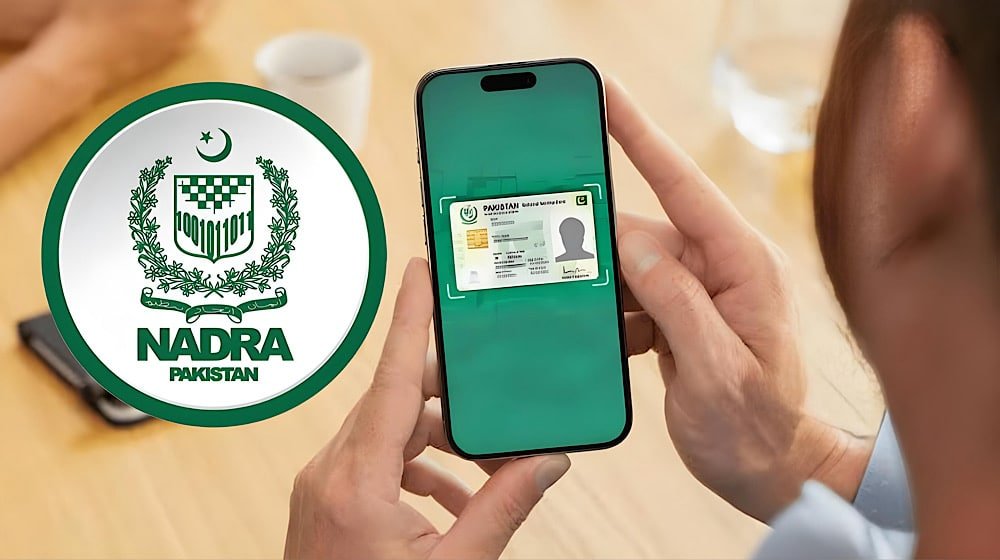
The National Database and Registration Authority (NADRA) has announced the development of a mobile application designed to facilitate the online registration of vital life events, including births, deaths, and changes in marital status.
This new digital service is part of NADRA’s broader effort to modernize civil registration processes and make them more accessible to the public.
According to an official press release issued by NADRA on Saturday, the mobile application has been specifically developed to enable citizens to register critical personal milestones without the need to visit government offices physically.
With this new technology, users will be able to register events such as the birth or death of a family member, or a change in marital status, all from the comfort and convenience of their homes.
The app will initially be rolled out in the province of Punjab. As part of this pilot phase, NADRA is working in collaboration with local government bodies to ensure that biometric verification services are made available in all union councils across the province.
These biometric checks are an integral part of the registration process, helping to verify the identity of applicants and maintain the integrity of official records.
The move is expected to significantly reduce the bureaucratic hurdles often faced by citizens when trying to update their civil records, while also reducing foot traffic at registration offices.
The digitization of civil services aligns with NADRA’s ongoing mission to enhance public service delivery through innovation and the use of modern technology.
In addition to the rollout in Punjab, NADRA is also establishing dedicated one-window counters at Union Councils within Islamabad. These counters are intended to further streamline services by allowing citizens to access all necessary registration facilities under one roof, minimizing delays and confusion.
By launching this mobile app, NADRA aims to provide a more efficient, user-friendly, and transparent system for civil registration in Pakistan. It also represents a significant step toward a fully digitalized national database system, helping to improve data accuracy, reduce administrative overheads, and ensure timely service delivery to the public.
