


The U.S. State Department has subtly confirmed that Pakistan did not offer any commitments or make promises in exchange for the May 10 ceasefire agreement, which came shortly after Pakistan launched a counteroffensive involving missiles and drones in response to Indian strikes on its airbases.
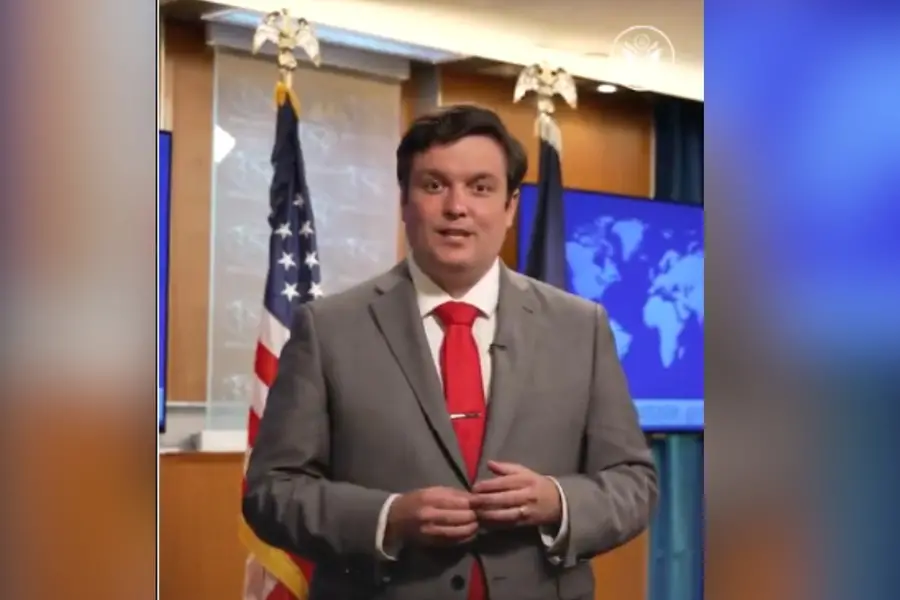
Speaking at a press briefing, State Department spokesperson Tommy Pigott avoided confirming any Pakistani assurances, particularly regarding the dismantling of terrorist infrastructure. When pressed by an Indian journalist, Pigott stated, “I’m not going to talk about private diplomatic conversations,” and instead emphasized the U.S. position: “We welcome the ceasefire reached between India and Pakistan this weekend and we commend both prime ministers for choosing the path of peace.”
Pigott reiterated the U.S. support for ongoing dialogue between the two nuclear-armed neighbors. However, he declined to speculate on whether the U.S. could act as a mediator, citing India’s firm stance against third-party involvement. “We continue to encourage direct communication between India and Pakistan,” he said, applauding both sides for choosing restraint.
The spokesperson also refused to confirm or deny reports about a U.S. team being sent to Pakistan in the aftermath of alleged nuclear radiation leaks. “I have nothing to preview on that at this time,” he said.
Tensions between India and Pakistan spiked earlier this month following Indian airstrikes under “Operation Sindoor,” allegedly targeting militant infrastructure across the Line of Control. These strikes came in the wake of a deadly attack in Pahalgam, Indian-administered Kashmir, that killed over two dozen people.
Pakistan responded with Operation Bunyan-un-Marsoos, a large-scale military operation that reportedly involved precision strikes on Indian military targets. The two countries agreed to a ceasefire just hours after Pakistan’s retaliation.
Meanwhile, Islamabad dismissed Indian Prime Minister Narendra Modi’s claims that Pakistan sought the ceasefire out of “despair and frustration.” In a statement, Pakistan’s Foreign Office condemned Modi’s remarks as “provocative and inflammatory,” calling them “yet another blatant lie.”
Despite Modi and India’s Ministry of External Affairs rejecting dialogue with Pakistan, the U.S. has said it will continue to push for peace in the region. Notably, former U.S. President Donald Trump also expressed interest in helping resolve the Kashmir issue during remarks on Monday.
