

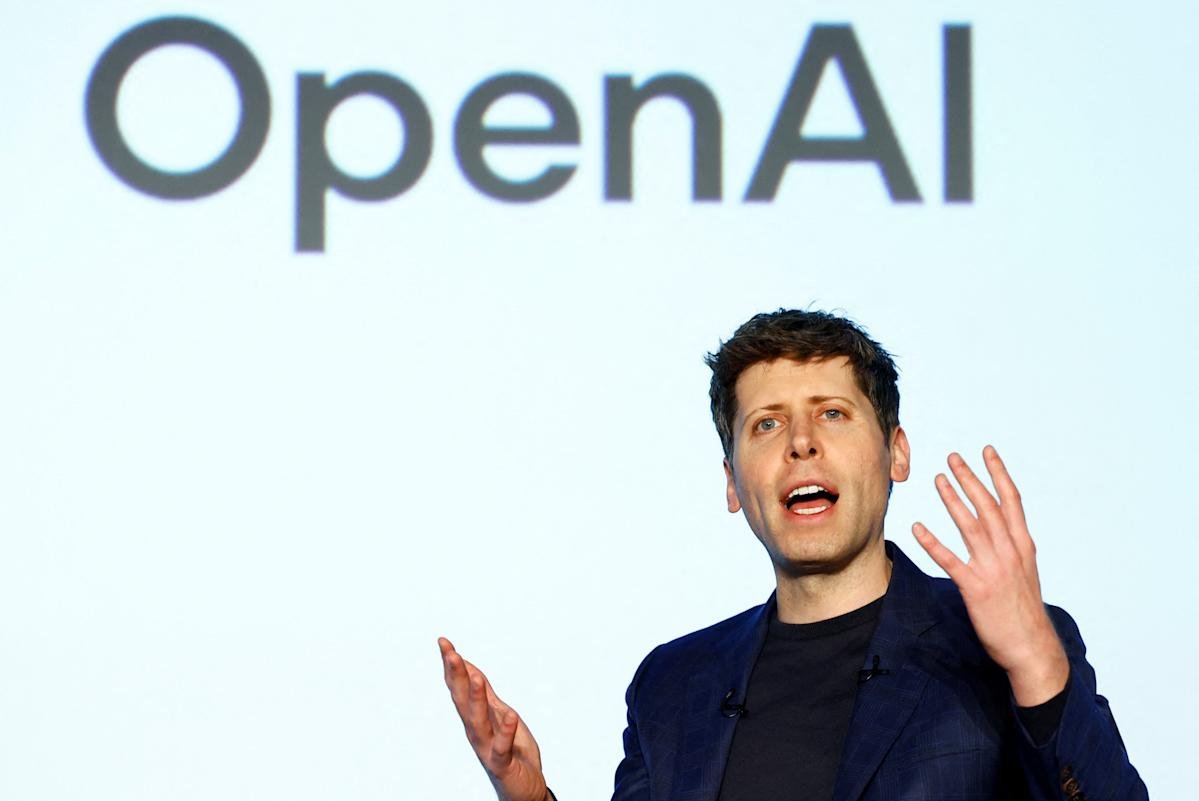

OpenAI, the organization behind ChatGPT, has officially decided to remain a nonprofit, shelving earlier plans to transition into a for-profit entity. This decision comes after sustained internal deliberations, mounting criticism, and pressure from both investors and prominent voices in the AI ethics community.
The announcement was confirmed by CEO Sam Altman in a company-wide email, which was later made public through OpenAI’s website. It marks a significant shift from the company’s 2019 introduction of a “capped-profit” model — a hybrid structure designed to attract investment while preserving its nonprofit mission.
Altman explained that the change in direction followed consultations with civic leaders and the attorneys general of California and Delaware, where OpenAI is incorporated. Among the critics of OpenAI’s for-profit ambitions was co-founder Elon Musk, who voiced concerns about the potential for profit motives to override safety and public benefit in AI development.
“In response to the feedback we received and discussions with legal authorities, we’ve chosen to retain nonprofit control,” Altman stated.
Since its founding in 2015, OpenAI has focused on the safe and ethical advancement of artificial intelligence. The move to a capped-profit structure in 2019 was intended to enable fundraising while ensuring mission integrity. However, in 2023, the organization proposed a full shift to a public benefit corporation (PBC), a step that provoked widespread backlash. Critics feared the new model would dilute its commitment to responsible AI in favor of shareholder returns.
That proposal was not only subject to regulatory approval but also faced legal hurdles — including a lawsuit filed by Elon Musk, who argued that OpenAI was straying from its original mission.
With the revised approach, OpenAI will retain nonprofit control over its operations while still managing its revenue-generating division. Altman emphasized this structure would allow the organization to grow, raise funds as needed, and maintain a focus on safety.
“We believe this model allows us to continue making fast, safe progress while ensuring broad access to our AI tools,” he added.
This recommitment to nonprofit values comes at a time when OpenAI is at the forefront of global AI development, driven largely by the success of ChatGPT, which became widely popular after its 2022 launch. Despite its rapid ascent, the company has also navigated internal turbulence — notably a leadership crisis in late 2023 when Altman was temporarily removed, only to be reinstated following internal and public outcry.
