

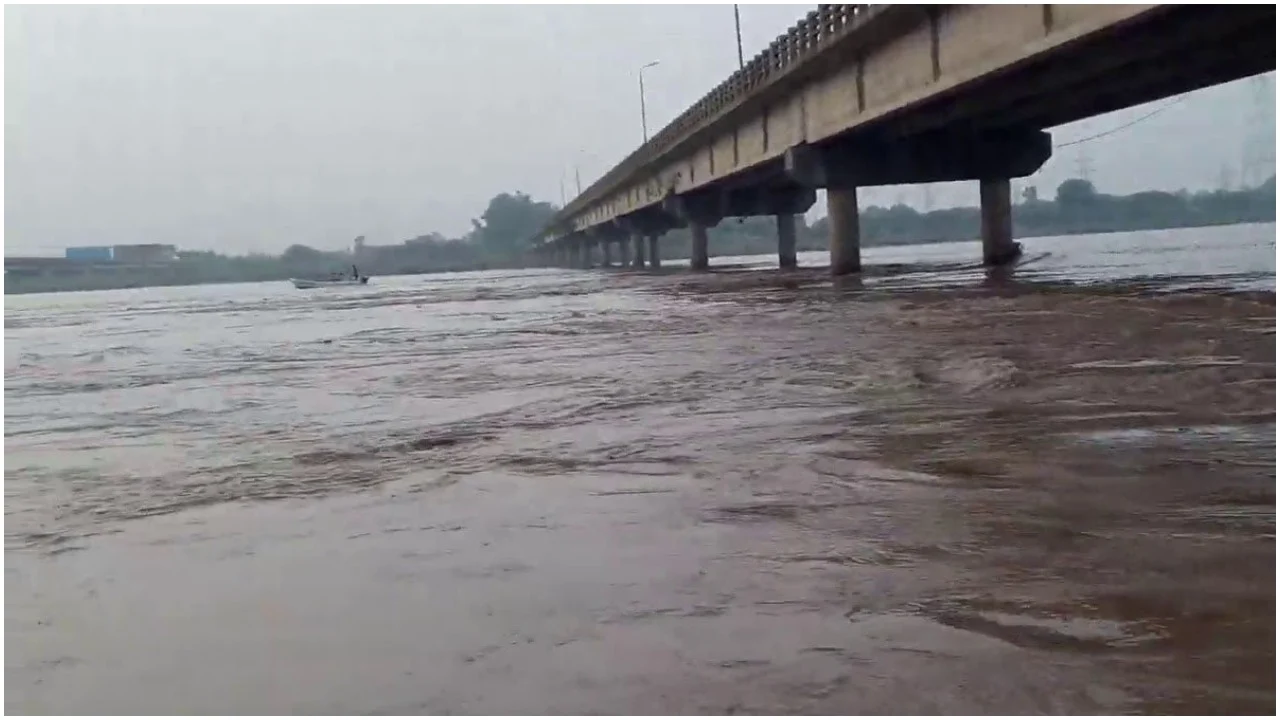

India has curtailed the flow of water from the Baglihar Dam on the Chenab River and is reportedly considering similar action at the Kishanganga Dam on the Jhelum River.
Both the Baglihar Dam in Ramban, Jammu, and the Kishanganga Dam in north Kashmir provide India with the capacity to regulate water release schedules, according to the Press Trust of India. These measures follow a deadly attack in Pahalgam, located in Indian Illegally Occupied Jammu and Kashmir (IIOJK), on April 22, which left 26 people — mostly tourists — dead.
India’s move comes amid heightened tensions and appears to mark a suspension of the decades-old Indus Waters Treaty (IWT), which was brokered by the World Bank and has regulated the sharing of the Indus River system between the two countries since 1960.
The Baglihar Dam has long been a source of dispute, with Pakistan previously seeking arbitration through the World Bank. Similarly, the Kishanganga Dam has faced legal challenges and diplomatic objections, particularly due to concerns about its effect on the Neelum River — a key tributary of the Jhelum.
The situation has escalated sharply following Indian Prime Minister Narendra Modi’s high-level meeting with military officials, in which he granted the armed forces “complete operational freedom” to determine India’s response to the Pahalgam attack. India has blamed Pakistan for the attack without providing concrete evidence and has taken a series of retaliatory steps — including the suspension of the IWT, revocation of visas for Pakistani citizens, and closure of the Wagah-Attari border crossing.
In turn, Pakistan has expelled Indian diplomats and military advisers, cancelled visas for Indian nationals (except Sikh pilgrims), and shut down the main border crossing from its side. Denying any involvement in the attack, Islamabad called for a transparent and credible investigation.
Pakistan also closed its airspace to Indian aircraft and halted all bilateral trade, including via third countries. It has rejected India’s suspension of the water treaty and warned that any attempt to block river flows would be considered an “act of war.”
Reports also indicate that India has previously violated the Indus Waters Treaty by constructing at least three controversial dams.
