


US Immigration Authorities
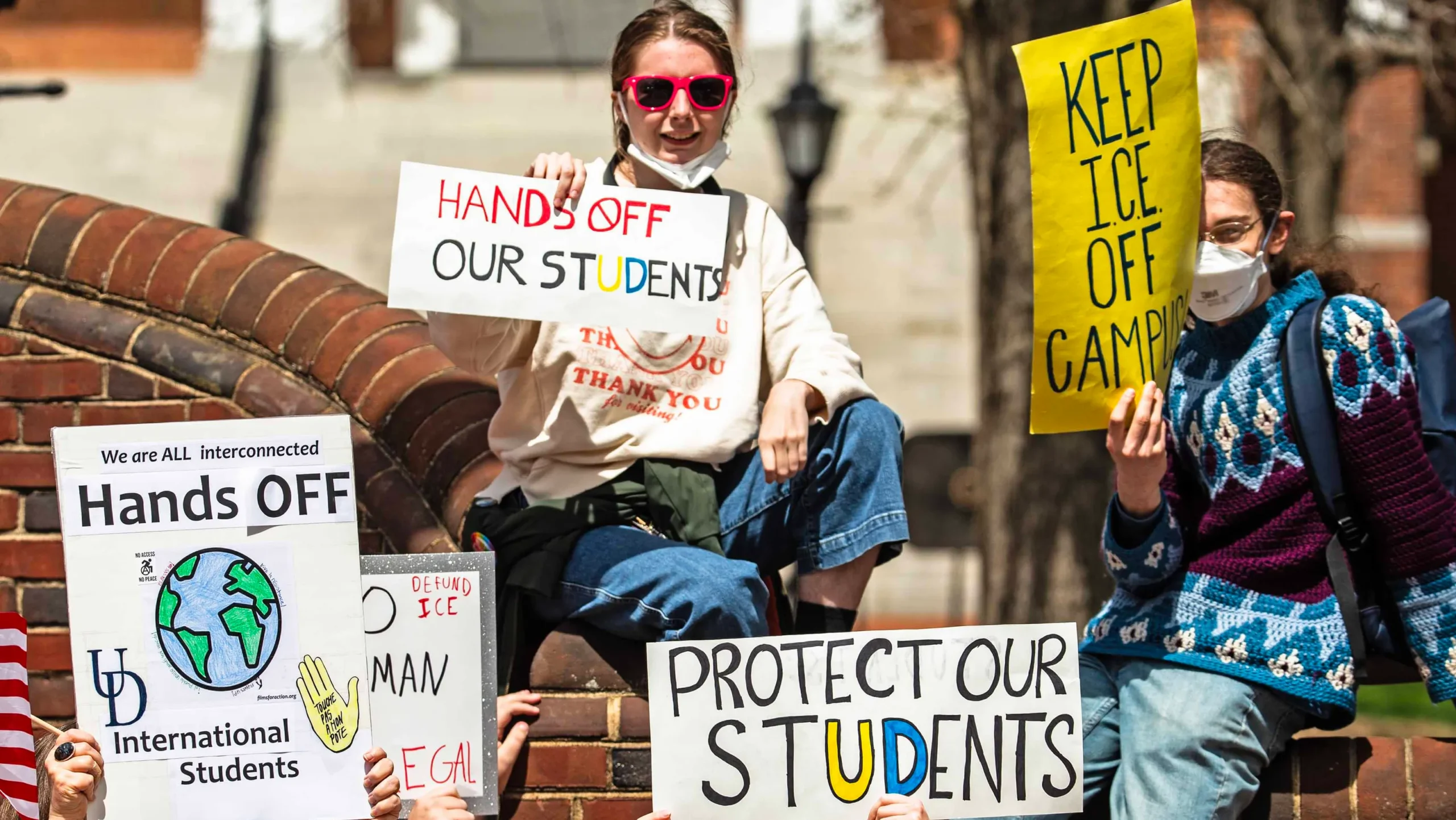
The United States immigration authorities have recently revoked the visas of nearly 1,500 international students, according to multiple reports, including from Al Jazeera and Inside Higher Education (IHE). This unprecedented move is primarily targeting students who participated in pro-Palestinian protests on university campuses across the United States.
The visa revocations not only affect students who were directly involved in the protests but also include individuals indirectly connected to the Palestinian cause. The US government justifies these actions by accusing some students of inciting anti-Semitism, a claim that has been strongly refuted by the students, their lawyers, and social activists.
Notably, some Jewish activists and groups have also been at the forefront of these protests, which further complicates the narrative.
While US Secretary of State Marco Rubio initially announced the revocation of 300 student visas at the end of March, reports suggest that the actual number of affected students is much higher. The Immigration Lawyers Association noted that 4,700 students were removed from the Student and Exchange Visitor Information System (SEVIS), which tracks international students.
By mid-April, the National Association of Foreign Student Advisers (NAFSA) reported that approximately 1,400 students faced deportation, while IHE confirmed that 1,489 students had lost their visas.
These visa cancellations have impacted students across 240 universities and colleges in the United States, including prestigious institutions like Harvard, Stanford, The Ohio State University, and the University of Maryland.
This large-scale move has raised concerns within the international student community, especially as many students have reported having their legal status terminated without prior notice.
The Trump administration’s rationale behind these revocations is to prevent activists from dominating university campuses. Rubio emphasized that international students are in the US to study, not to lead activist movements.
However, this crackdown has sparked significant anxiety, as some students have lost their visas due to reasons unrelated to activism, such as minor traffic violations, or with no clear explanation at all.
The controversial nature of these visa cancellations has led to legal challenges, with affected students seeking legal avenues to restore their legal status. Immigration lawyer Mohammad Ali Syed stressed that students should promptly seek advice to explore legal options.
He highlighted that students could file lawsuits for violations of due process, as seen in the case of Michigan students who have already initiated legal actions against the Department of Homeland Security. In some urgent cases, students may also apply for temporary restraining orders to prevent deportation while their legal cases proceed.
This situation has affected a wide range of international students. Some examples include Yunseo Chung, a 21-year-old South Korean student at Barnard College, and Mahmoud Khalil, a 30-year-old Algerian Palestinian graduate from Columbia University.
Other students affected by the visa revocations include Leqaa Kordia, a Palestinian student, and Badar Khan Suri, an Indian student at Georgetown University, among others. Each case reflects the broader tensions between political activism and immigration policy, leaving many students facing uncertain futures in the US.
