

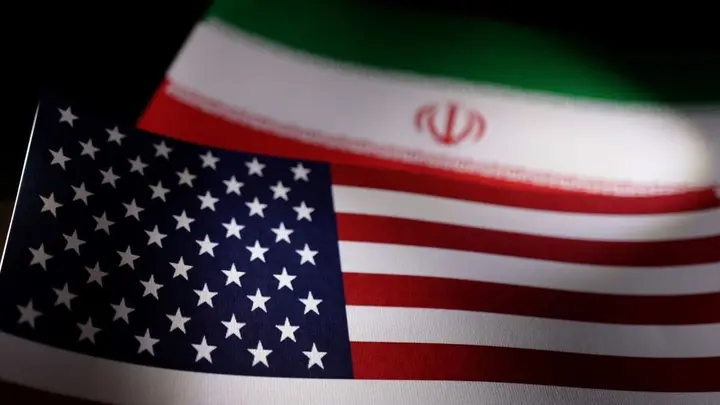

WASHINGTON — In a surprising development, President Donald Trump announced on Monday that the United States and Iran would begin direct talks over Tehran’s nuclear program, a move that comes despite previous resistance from Iranian officials to engage in such negotiations.
For months, Iran had pushed back against Trump’s demands for direct talks, initially leaving the door open to indirect discussions. However, President Trump revealed that the first round of direct negotiations would take place on April 12, describing it as a “very big meeting.”
“We’re having direct talks with Iran, and they’ve started. It’ll go on Saturday, and we’ll see what can happen,” Trump told reporters in the Oval Office, where he was meeting with Israeli Prime Minister Benjamin Netanyahu.
Trump emphasized the importance of striking a deal, stating, “I think everybody agrees that doing a deal would be preferable,” though he refrained from disclosing where the talks would be held.
This announcement marks a dramatic shift in the diplomatic standoff between the two nations, particularly considering Trump’s earlier rhetoric warning of potential military action against Iran. Tensions have been high in the region, especially since Trump’s decision to withdraw the US from the 2015 nuclear deal, known as the Joint Comprehensive Plan of Action (JCPOA), which was intended to limit Iran’s nuclear ambitions in exchange for sanctions relief.
Since then, Iran has breached key elements of the agreement, notably surpassing the uranium enrichment limits set by the deal, fueling Western concerns that Tehran is pursuing nuclear weapons capabilities. Western powers, including the US, argue that Iran’s enrichment of uranium to high levels of fissile purity goes beyond what would be necessary for a peaceful civilian energy program.
Iran, however, maintains that its nuclear program is entirely focused on peaceful energy production.
In a further twist, Trump, who withdrew the US from the 2015 agreement during his first term, has expressed a preference for a diplomatic resolution over military confrontation. On March 7, Trump revealed that he had written a letter to Iranian Supreme Leader Ayatollah Ali Khamenei, suggesting the possibility of direct talks, despite Tehran’s resistance. Iranian officials at the time reiterated their stance, stating they would not be coerced into negotiations.
As the two sides prepare to meet, Trump’s administration faces significant pressure from both domestic and international sources. While the White House National Security Council did not immediately respond to requests for further information about the upcoming talks, the world will be watching closely to see whether this diplomatic breakthrough can lead to a resolution over one of the most contentious issues of international security.
With the clock ticking on nuclear proliferation concerns and ongoing regional instability, the direct talks on April 12 represent a critical opportunity for both sides to seek a path forward—though many uncertainties remain about the potential for a lasting agreement.
