

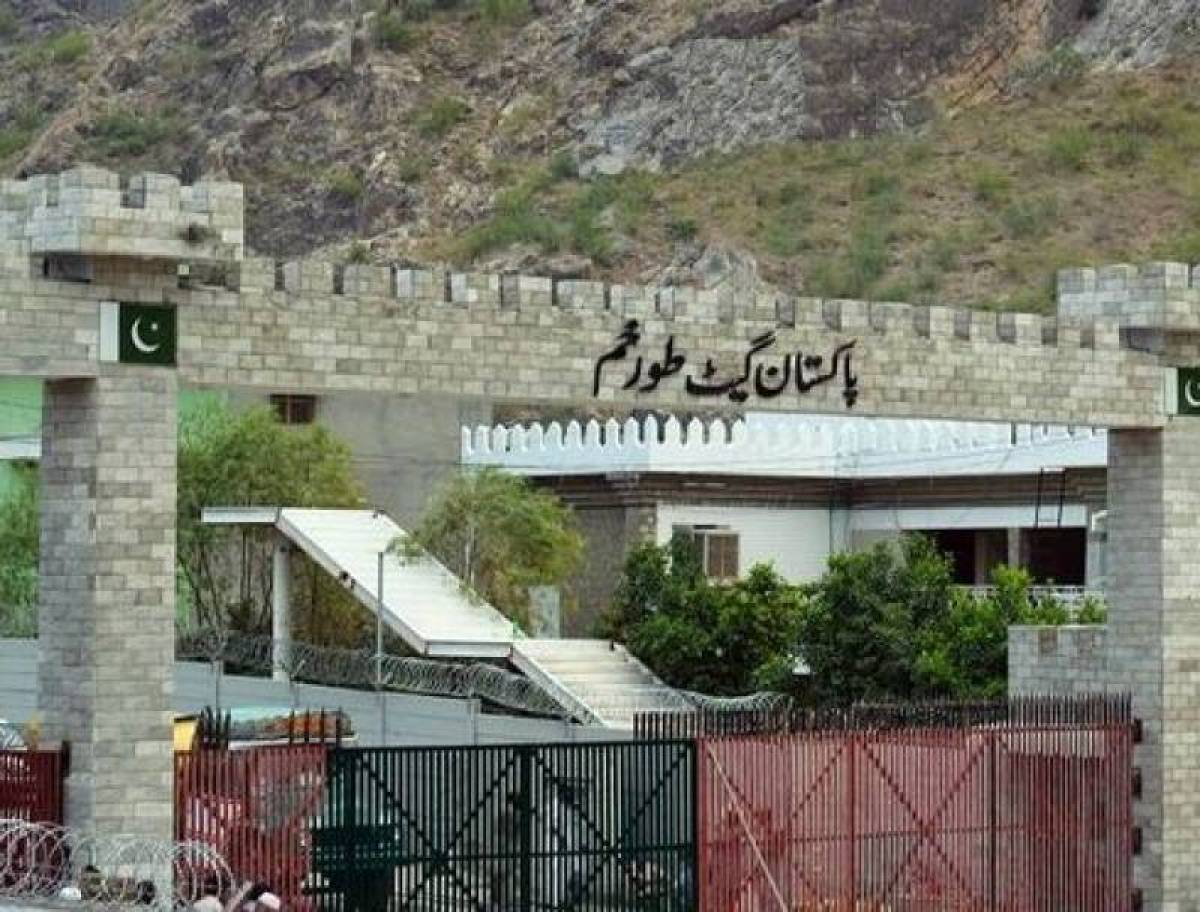

PESHAWAR: The Torkham border crossing reopened for pedestrian movement on Saturday, after being closed for nearly a month. Thousands of people from both sides of the border queued up to cross, as the much-awaited reopening took place following talks between Pakistani and Afghan jirga members.
The border had been shut since February 21, when tensions arose between Pakistani and Afghan security forces over construction activities on both sides. The situation escalated further this month when gunfire exchanges at the border led to injuries for eight individuals, including six troops.
Afghan officials reported that the closure had left thousands stranded on both sides, causing severe congestion. To address the situation, the head of Nangarhar’s information department urged people to be patient, reassuring them that the traffic would ease in the coming days.
On the Pakistani side, the situation mirrored that of Afghanistan, with many travelers rushing to cross. Journalists on the ground, such as Jawad Shinwari, reported significant congestion as people flocked to the border in hopes of crossing.
In the midst of these developments, Pakistan’s special representative for Afghanistan, Mohammad Sadiq, met with Afghan Foreign Minister Mawlawi Amir Khan Muttaqi in Kabul on Saturday. Their discussions focused on security concerns, particularly the rising violence in Pakistan’s Khyber Pakhtunkhwa and Balochistan regions, as well as bilateral issues.
Pakistan has stated that only Afghan nationals with valid visas and passports will be allowed to enter, although patients will be permitted to cross based on the previous procedures. A resident of Khyber district, who works at a currency exchange near Torkham, confirmed that the border reopened at 8 a.m. for those with proper documentation. Previously, Afghan nationals holding Tazkira (ID cards) were allowed to cross without a visa, but now only those with passports and visas are being permitted.
The border’s reopening follows a March 17 agreement brokered by a joint jirga, which included a ceasefire and a halt to the construction of border posts on the Afghan side. The deal, in part, addressed Pakistan’s concerns about illegal construction on its territory, including the establishment of check posts.
Pakistan’s Foreign Ministry spokesman, Shafqat Ali Khan, had previously raised concerns over Afghan construction activities within Pakistani territory. Afghan Taliban officials had sought to build check posts on their side, while Pakistan maintained that the towers being constructed were for facilitating trade and patient movement.
Meanwhile, the bilateral talks in Kabul between Ambassador Sadiq and Minister Muttaqi also focused on improving political, economic, and transit cooperation. Sadiq emphasized that security in Afghanistan was crucial for both Pakistan and the region, and pledged to facilitate visa issuance for Afghan citizens.
Both sides agreed on the importance of resolving trade and transit issues and discussed measures to address the concerns of Afghan refugees living in Pakistan. The Afghan Foreign Minister emphasized the need for refugees to return home in a dignified manner, rather than through forced deportations.
Ambassador Sadiq’s visit to Kabul, which is his second in less than three months, comes at a time when bilateral relations between Pakistan and Afghanistan are strained, particularly due to rising security concerns. Pakistani officials maintain that militant groups operating in Afghanistan are fueling violence within Pakistan, although the Afghan Taliban have denied such allegations.
The situation at the Torkham border and the broader discussions between the two countries reflect the ongoing complexities of Pakistan-Afghanistan relations, particularly in the context of security, trade, and the status of refugees.
