


Island’s grid operator producing less than 10% of required electricity
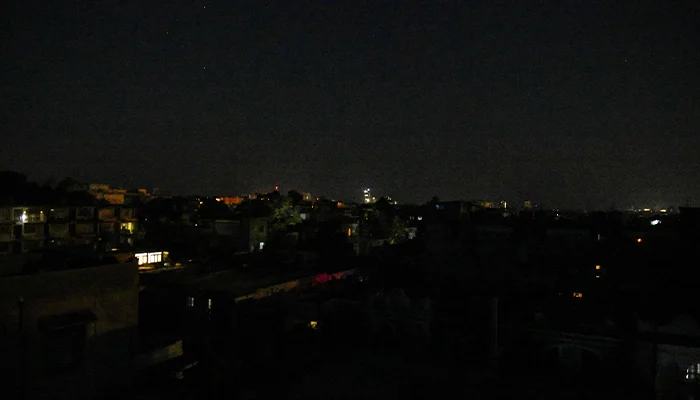
HAVANA: Cuba remained mostly without electricity on Saturday morning after a massive collapse of the island’s power grid the previous evening. The outage affected 10 million people and raised concerns about the reliability of the country’s outdated energy infrastructure.
At sunrise, Cuba’s grid operator, UNE, reported generating only around 225 MW, less than 10% of the total demand. This amount of electricity was just enough to power essential services such as hospitals, water supply, and food production centers.
Officials stated that they had started the process of restarting the country’s aging power plants but did not provide a specific timeline for restoring full service. The blackout began at 8:15 p.m. on Friday (0015 GMT) when an old transmission line component at a substation in Havana shorted, triggering a chain reaction that led to a total shutdown of power generation across the island.
This incident follows a series of widespread blackouts in late 2022, which had already put Cuba’s fragile power grid under severe strain, compounded by fuel shortages, natural disasters, and the ongoing economic crisis.
Outside of Havana, many Cubans have been living with regular rolling blackouts for months, with some areas experiencing power cuts of up to 20 hours a day in recent weeks. By Saturday morning, Havana was still largely without power, with light traffic navigating intersections lacking functioning stoplights and cellular internet either weak or unavailable in certain areas.
Abel Bonne, a Havana resident, was chatting with friends along the city’s Malecon waterfront early on Saturday, enjoying the sea breeze after a hot, uncomfortable night without power.
“Right now, no one knows when the power will come back on,” he said. “This is the first time it’s happened this year, but it happened three times last year.”
The ongoing power crisis, along with severe shortages of food, medicine, and water, has made daily life increasingly difficult for many Cubans. These conditions have contributed to a surge in people fleeing the island in record numbers in recent years.
Cuban officials attribute much of the country’s economic struggles to a decades-long U.S. trade embargo, which has complicated access to necessary resources such as fuel and spare parts for its power grid. Cuba’s grid has not been able to modernize due to these restrictions.
In response, former U.S. President Donald Trump tightened sanctions on Cuba, aiming to restore a tougher stance against the communist government.
Despite the blackout, Yunior Reyes, a bike taxi driver from Havana, was back at work on Saturday morning, concerned about his food supplies spoiling in the heat.
“We’re all in the same situation,” he said. “It’s a lot of work.”
