


Farmers Struggling as Agricultural Losses Mount, Says Minister
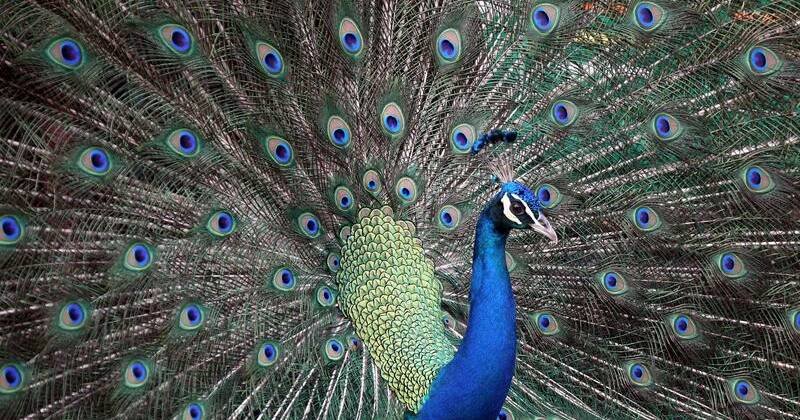
DAMBUHLLA: Sri Lanka has launched a wildlife census to count monkeys, peacocks, and giant squirrels in an effort to manage their populations and address the damage they are causing to crops. The initiative comes as farmers across the country report significant agricultural losses due to these animals.
Agriculture contributes 8% to Sri Lanka’s economy and provides employment for 8.1 million people, according to government data. The country is also the fourth-largest global exporter of coconut products and produces about 3 billion cashews and other nuts annually, according to the Export Development Board (EDB).
However, these key agricultural sectors, along with vegetable and fruit farming, have suffered due to crop destruction by wildlife, a government official explained.
“The problem has become so severe that many people are abandoning farming,” said Namal Karunaratne, Deputy Minister of Agriculture and Livestock. “We are losing about 20% of total agricultural production, and an estimated 90 million coconuts are lost every year.”
The wildlife census, which began on Saturday, is intended to assess the density of these animals in farming regions to develop effective policies for managing their populations. The move follows an incident in February when a monkey triggered a nationwide power outage, leaving the country without electricity for three days.
Edirisinghe Arachchilage Gnanasena, a 72-year-old farmer in Dambulla, a city in central Sri Lanka, participated in the census by counting 45 monkeys, six giant squirrels, and nine peacocks in just five minutes. His eight-acre plot has been battling crop losses for years.
Gnanasena, armed with an air gun and lead pellets, spends hours patrolling his coconut, mango, and banana trees. Despite his efforts, monkeys continue to strip trees of coconuts and pick mangoes, while peacocks devour long beans.
“Monkeys have gotten used to the air gun, so I use firecrackers to scare them off, but they always return,” Gnanasena explained.
Farmers believe the rise in wildlife numbers, including monkeys, peacocks, porcupines, and wild boars, is linked to habitat loss.
“I hope this census will lead to long-term solutions for the problem,” Gnanasena said. “This isn’t the fault of the animals. It’s the fault of humans.”
