


New Visa Policy
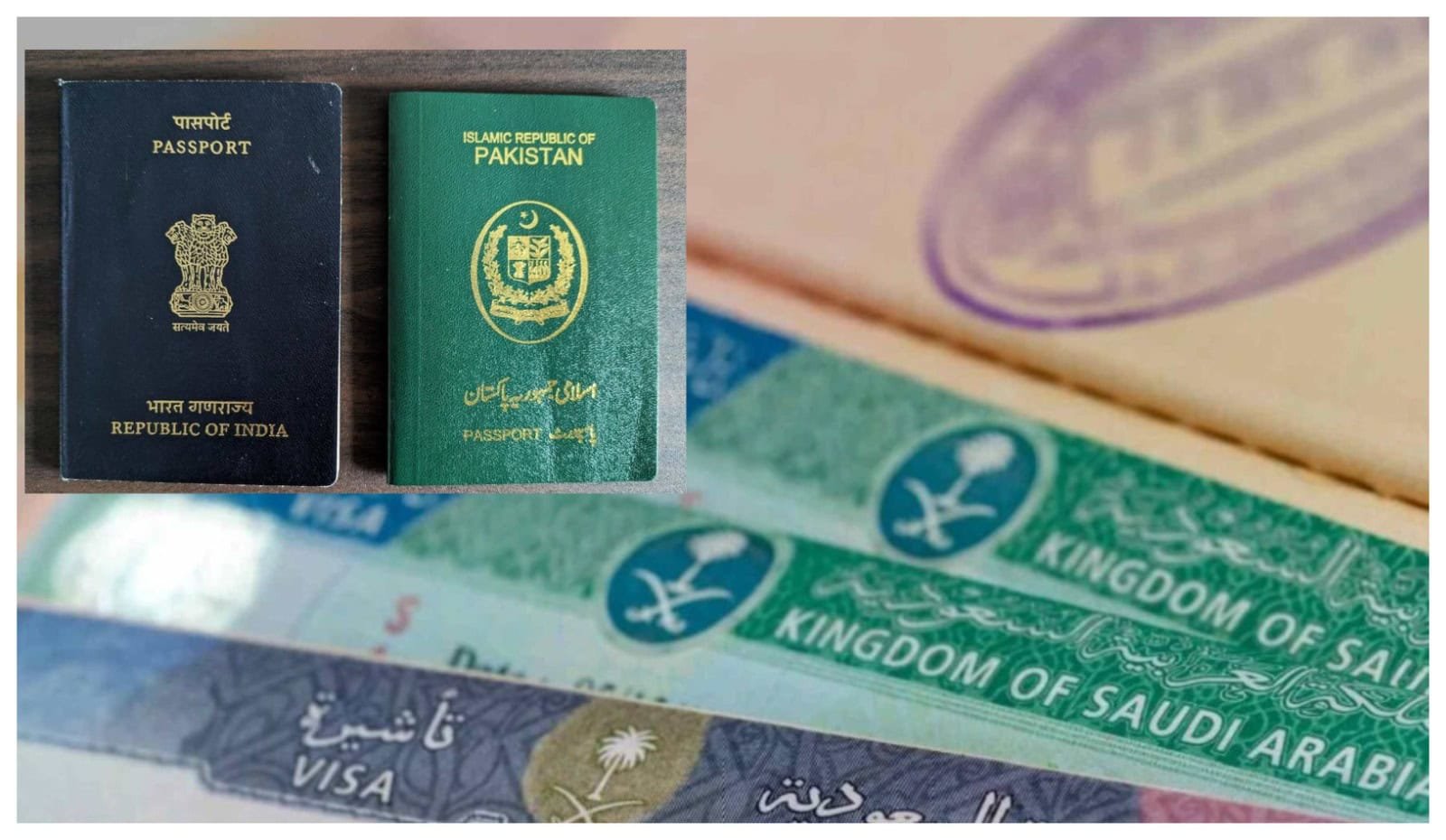
Saudi Arabia has announced a significant revision to its visa policy, impacting travelers from 14 countries, including Pakistan. The new regulations, which came into effect on February 1, 2025, introduce single-entry visas in place of the previously available multiple-entry visit visas.
Under the new policy, travelers from these countries will only be eligible for single-entry visas, which will be valid for 30 days and permit a maximum stay of 30 days per visit.
This change applies to all types of visit visas, including those issued for tourism, business, and family visits. Previously, visitors could obtain multiple-entry visas valid for one year, allowing them to enter and exit Saudi Arabia multiple times.
The Saudi government has stated that the primary reason behind this policy shift is to prevent unauthorized Hajj pilgrimages. Authorities observed that some individuals had been using multiple-entry visas as a way to bypass official Hajj quotas, leading to unauthorized participation in the annual pilgrimage.
By limiting visas to single-entry only, the government aims to ensure better regulation and adherence to the official Hajj process.
The new policy affects applicants from Algeria, Bangladesh, Egypt, Ethiopia, India, Indonesia, Iraq, Jordan, Morocco, Nigeria, Pakistan, Sudan, Tunisia, and Yemen.
Travelers from these nations must now apply for single-entry visas and complete biometric verification at Etimad visa centers before their travel to Saudi Arabia.
This announcement coincides with Saudi Arabia’s launch of the domestic Hajj registration process for 2025. Registration for domestic pilgrims is now open via the Nusuk app and e-portal, with priority being given to those who have not performed the pilgrimage before.
The Ministry of Hajj and Umrah has urged prospective pilgrims to complete their registration early and ensure that all required health information is submitted in a timely manner.
The revised visa policy reflects Saudi Arabia’s ongoing efforts to manage its growing number of visitors while maintaining order during religious pilgrimages.
