

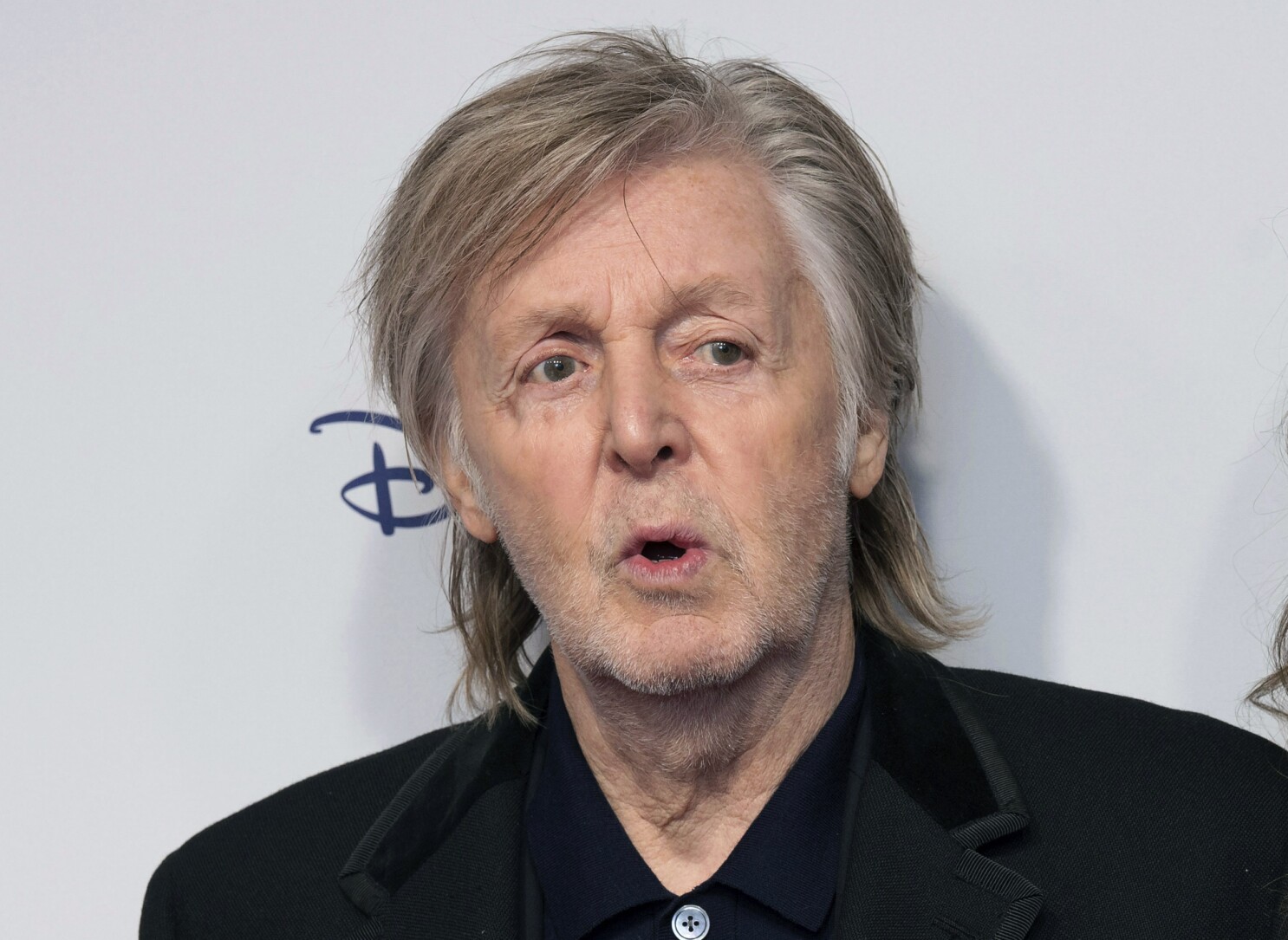

Paul McCartney
Paul McCartney, the iconic English musician and former member of The Beatles, expressed his concerns over a proposed copyright law that could lead to the exploitation of artists in an interview with the BBC.
McCartney voiced apprehensions about the legislation, which would allow artificial intelligence (AI) developers to utilize content created by artists and creators online unless those individuals explicitly opt out.
Highlighting the potential implications of such a policy, McCartney remarked, “You get young guys, girls, coming up, and they write a beautiful song, and they don’t own it, and they don’t have anything to do with it.
And anyone who wants can just rip it off.” His frustration stems from the fact that AI systems could generate content based on existing artistic works without proper credit or compensation to the original creators.
The musician underscored the injustice of the current system by questioning the financial implications: “The truth is, the money’s going somewhere. Somebody’s getting paid, so why shouldn’t it be the guy who sat down and wrote Yesterday?” He referenced his own experience as a songwriter to illustrate the need for protecting the intellectual property of creators who invest time and effort into their craft.
McCartney also called on the government to take responsibility, saying, “We are the people, you’re the Government. You’re supposed to protect us. That’s your job.” He emphasized the importance of safeguarding artists’ rights in an era where technology is advancing rapidly and threatening to undermine creative ownership.
The proposed law has faced backlash for being impractical and potentially damaging to the creative industry.
Responding to criticism, a government spokesperson stated, “Our aim is to deliver legal certainty through a copyright regime that provides creators with real control, transparency, and helps them license their content.”
The spokesperson further clarified that no final decisions would be made until extensive consultations with the music industry ensured clarity, control, and transparency for artists while enabling access to data for AI innovators.
McCartney’s remarks highlight the broader debate surrounding AI’s impact on the creative sector and the need for balanced legislation that protects artists while fostering technological innovation.
