


Imran Khan
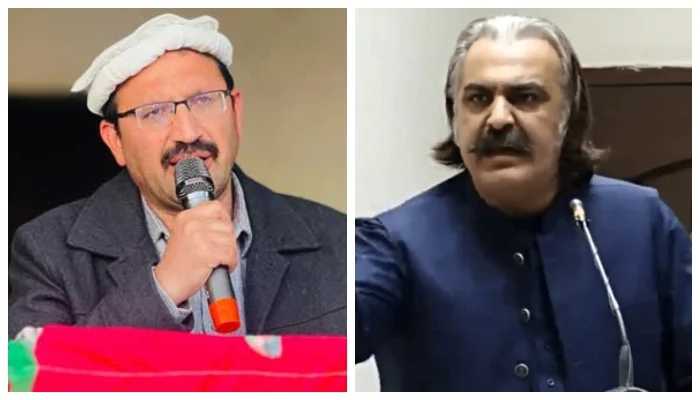
RAWALPINDI: Pakistan Tehreek-e-Insaf (PTI) Chairman Imran Khan appointed Junaid Akbar as the new president of the party in Khyber Pakhtunkhwa (KP) on Saturday, marking a significant leadership shift in the province.
This appointment follows Akbar’s election as chairman of the Public Accounts Committee (PAC), a powerful parliamentary body responsible for overseeing government finances. His election to this prestigious position was made possible through support from both opposition and government members.
The PAC is one of the most influential bodies in Pakistan’s parliamentary system, with the authority to summon individuals and examine records from government departments regarding financial matters. Akbar’s new role in the PAC positions him as a key figure in shaping the province’s governance and financial oversight.
Imran Khan’s move to appoint Akbar as the PTI president of KP comes as a replacement for Ali Amin Gandapur, who has also been serving as the province’s chief minister. Salman Akram Raja, PTI’s Secretary General, formally issued Akbar’s appointment notification.
The change in leadership was also motivated by Gandapur’s desire to step down from his position as PTI’s provincial president, with a clear directive from Imran Khan to allow him to focus on governance and counter-terrorism efforts within the province.
According to sources, Imran Khan expressed concern about corruption within KP and has directed Gandapur to step away from Dera Ismail Khan’s local politics, focusing more on broader provincial governance.
The PTI Chairman has also tasked Akbar with addressing and resolving various party matters in KP, ensuring the party’s activities in the region are effectively managed and reorganized.
In addition to his new responsibilities as PTI KP president, Akbar, who is also a Member of the National Assembly (MNA), takes on the crucial task of managing the PAC.
The chairman position of the PAC had been vacant since the February 2024 elections, and Akbar’s appointment aligns with the parliamentary norm, where the opposition traditionally holds this influential role.
This leadership change signals PTI’s continued emphasis on governance reforms and strengthening its organizational structure in KP, with Akbar playing a central role in the party’s future strategies in the province.
