


Extreme weather disrupted the education of approximately 242 million children in 85 countries last year—equivalent to one in seven students—according to a report by the UN children’s agency, UNICEF. The agency highlighted this as an “overlooked” consequence of the climate crisis.
Heat waves had the most significant impact, the report revealed, with UNICEF’s Executive Director Catherine Russell emphasizing that children are particularly vulnerable to extreme weather.
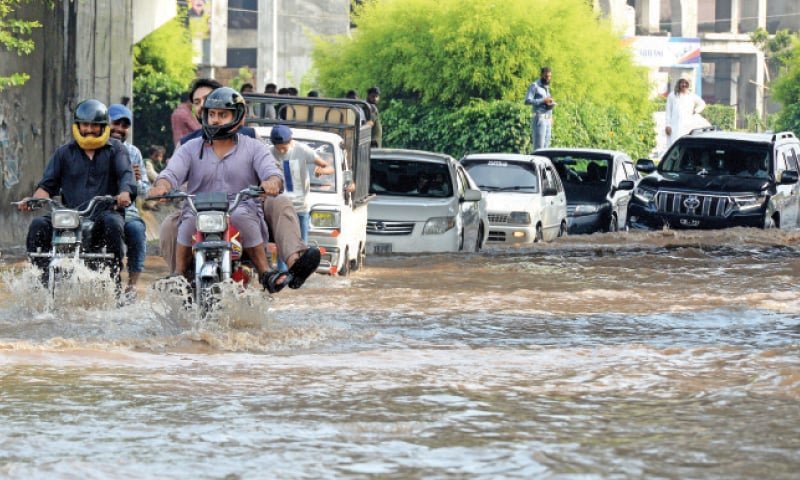
“Children heat up faster, sweat less efficiently, and cool down more slowly than adults,” Russell said in a statement on Thursday. “They cannot concentrate in classrooms without relief from sweltering heat, nor can they attend school when roads are flooded, or schools are destroyed.”
Human activity, particularly the unchecked burning of fossil fuels, has warmed the planet and altered weather patterns. In 2024, global average temperatures hit record highs, with some periods exceeding the critical 1.5 degrees Celsius warming threshold. This has intensified heat waves, storms, and other extreme weather events, leaving populations more vulnerable to disasters.
The report’s figure of 242 million is considered a “conservative estimate,” citing gaps in available data.
Heat Waves Hit Hardest
Heat waves impacted at least 171 million children in 2024, with 118 million affected in April alone, as record-high temperatures struck countries like Bangladesh, Cambodia, India, Thailand, and the Philippines. In the Philippines, thousands of non-air-conditioned schools were closed to prevent children from suffering hyperthermia.
September, the start of the academic year in many countries, was also heavily disrupted. Classes were suspended in 18 countries due to climatic shocks, including the devastating Typhoon Yagi in East Asia and the Pacific.
South Asia: The Most Affected Region
South Asia bore the brunt of climate-related school interruptions, with 128 million children affected. India experienced the highest number of impacted students—54 million—mostly due to heat waves. In Bangladesh, 35 million children were similarly affected by extreme heat.
The report also noted that students from kindergarten to high school experienced a wide range of disruptions, including suspended classes, altered vacation schedules, delayed reopenings, and damaged or destroyed schools.
UNICEF urged global leaders to prioritize the education and safety of children in their climate response, warning that the risks to education will only grow as global temperatures rise further.
