

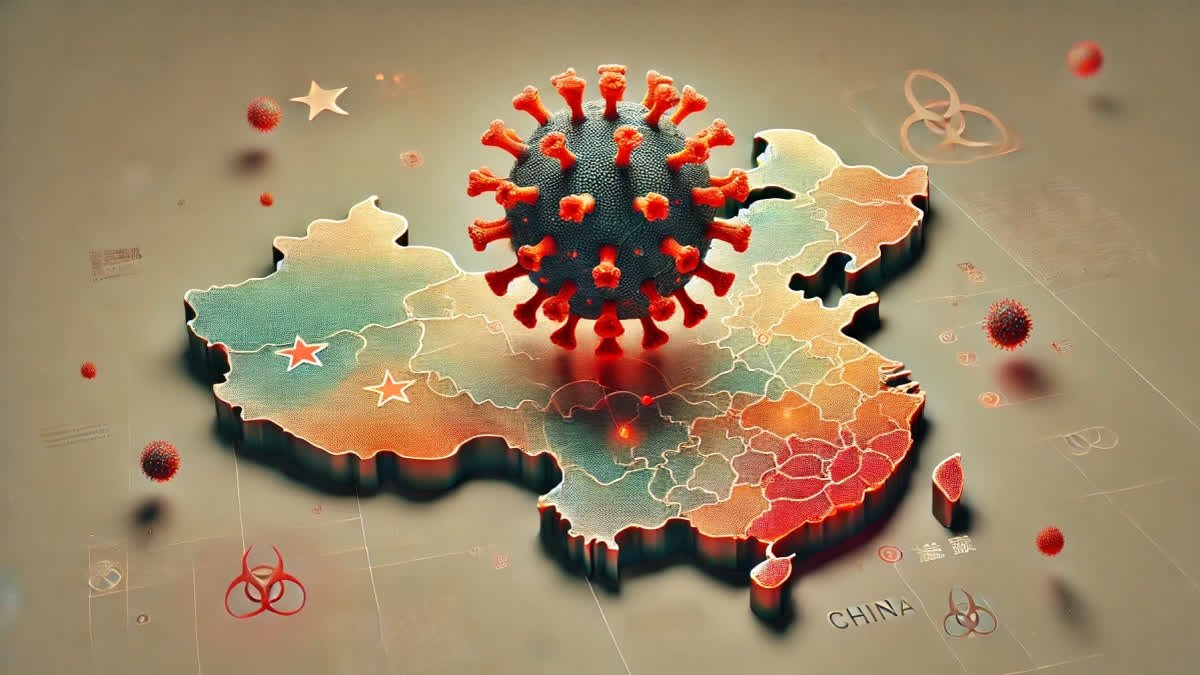

China is facing an outbreak of human metapneumovirus (HMPV), which is rapidly spreading and causing flu-like symptoms across the population. The situation has raised concerns due to similarities with the COVID-19 pandemic.
Reports on social media suggest that hospitals and crematories are overwhelmed, with claims that multiple viruses, including influenza A and COVID-19, are circulating simultaneously. However, no official emergency declaration has been made.
In response, the National Disease Control and Prevention Administration has introduced a monitoring system to track pneumonia cases of unknown origin, anticipating a rise in respiratory illnesses during the winter. This effort is aimed at improving preparedness and establishing protocols for dealing with emerging pathogens, drawing from lessons learned during the early days of the COVID-19 pandemic.
Symptoms of HMPV closely resemble those of other respiratory infections, including cough, fever, nasal congestion, and shortness of breath. Severe cases can result in complications such as bronchitis or pneumonia. The virus spreads similarly to other respiratory illnesses, primarily through respiratory droplets, close contact, and contaminated surfaces.
Certain groups, such as young children, older adults, and individuals with weakened immune systems, are more vulnerable to severe illness. At present, there is no specific antiviral treatment or vaccine for HMPV, and medical care focuses on relieving symptoms and preventing further complications.
