


After the fall of Syria’s Bashar al-Assad, Israel has escalated its actions, encroaching on Syrian territory.
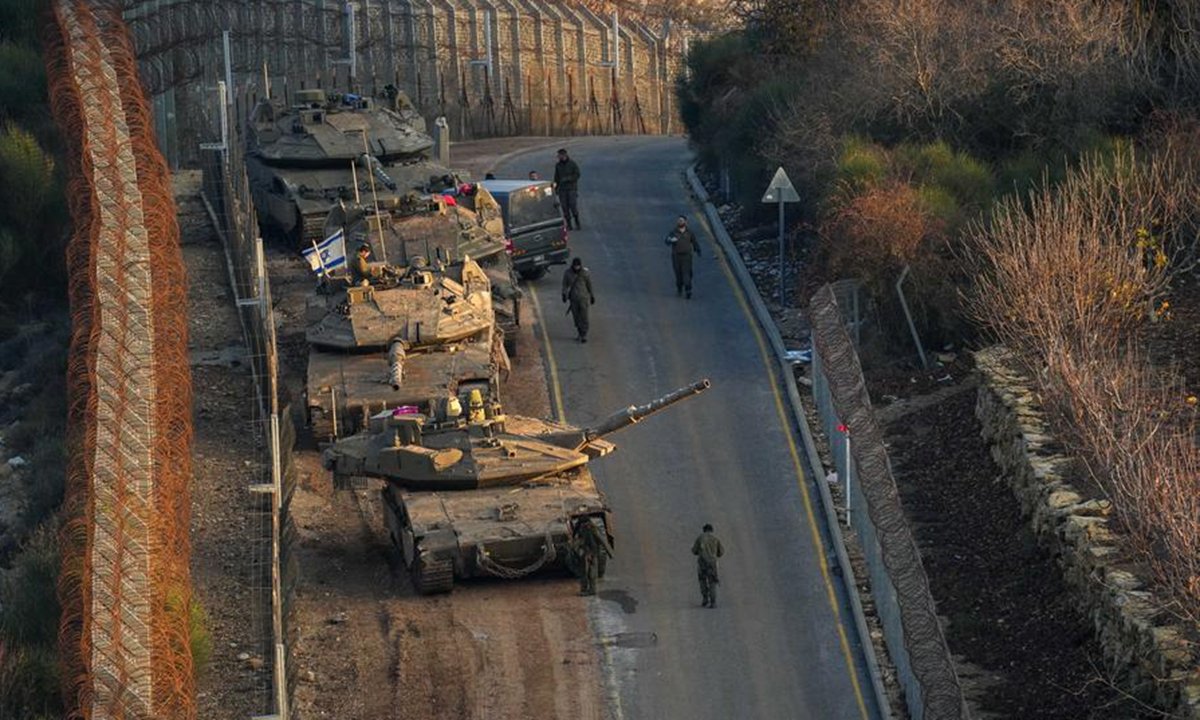
Since Assad’s dramatic flight to Russia on Sunday, Israel has carried out over 400 attacks on Syria. Despite protests from the United Nations, Israeli forces have also entered the buffer zone that has separated the two countries since the 1974 ceasefire agreement.
Recent Israeli Aggressions
These actions come as Syria attempts to transition away from 53 years of Assad family rule. Over the past few months, Israel has also attacked Lebanon and continued its widely criticized campaign in Gaza.
But why has Israel intensified its attacks on Syria? Here’s a breakdown.
Why is Israel attacking Syria?
For years, Israel has justified its strikes in Syria by claiming they target Iranian military operations.
However, Iran maintains that it currently has no forces in Syria.
Israel has now shifted its focus, claiming it is targeting Syrian military infrastructure to prevent weapons from reaching groups it considers “extremists.” This label has been applied to various actors, most recently Hayat Tahrir al-Sham (HTS), the primary opposition group involved in Assad’s overthrow.
What has Israel targeted?
Israel states that its attacks have focused on military facilities, including weapons warehouses, ammunition depots, airports, naval bases, and research centers.
Additionally, Israel has deployed military units into the buffer zone along the Golan Heights. This area has been a demilitarized zone under the 1974 UN-brokered ceasefire agreement, raising concerns over escalating tensions.
Broader Implications
Israel’s actions in Syria highlight a significant shift in regional dynamics following the end of Assad’s rule. These developments have raised questions about Israel’s objectives and their impact on an already volatile Middle East.
