

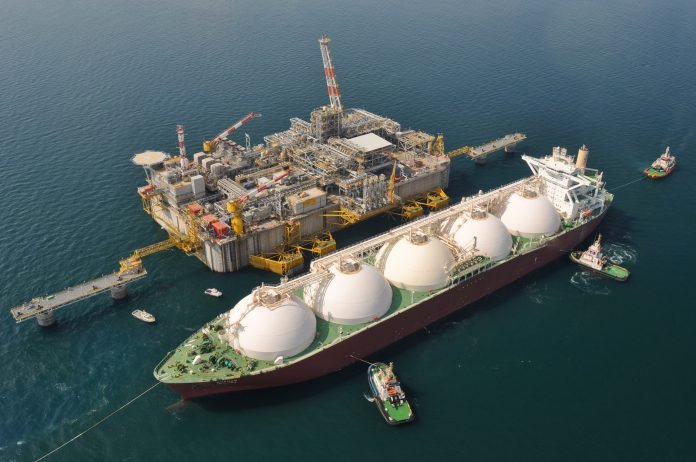

Pakistan has postponed its agreement to purchase liquefied natural gas (LNG) from Qatar for one year, with the scheduled delivery now set for 2026 instead of 2025, according to Petroleum Minister Musadik Malik. The decision comes as the country currently faces a surplus of LNG and has halted the import of new cargoes.
Malik clarified that there would be no financial penalties for deferring the LNG order, as it was not canceled, but merely postponed. He also mentioned that Pakistan had already deferred five LNG cargoes from Qatar and was in talks to defer five more from other suppliers, though the names of the sellers were not disclosed.
Pakistan’s annual power consumption has dropped by 8-10% year-on-year over the past three quarters, primarily due to higher electricity tariffs that have reduced household usage. This has also impacted the demand for natural gas, as more than a third of the country’s electricity is generated from gas.
In an effort to boost consumption and reduce natural gas usage for heating, the government announced in November that it would cut electricity tariffs over the winter. Many power utilities have been forced to reduce or suspend operations during the winter months, as demand can fall by up to 60% from peak summer levels.
Regarding LNG imports, Malik stated that Pakistan would not be purchasing spot LNG cargoes until at least the beginning of winter in November, due to an oversupply and high prices. The country had canceled its spot LNG tender for January delivery due to the ongoing oversupply and a lack of buyers at current prices.
Malik also addressed reports about a potential deal to import crude oil from Russia, denying that Pakistan was closing an agreement to buy one cargo per month starting in January. He acknowledged that talks with Russia had resumed, with discussions focused on resolving issues such as insurance, deal structure, and shipping logistics. However, no deal had been finalized yet.
Pakistan had previously signed an agreement with Russia in 2023 to import crude oil for local refining, which included a shipment of 100,000 metric tons to Pakistan Refinery Limited. This deal was arranged at a discounted rate, with payments made in Chinese yuan. The previous caretaker government had opted to allow the private sector to handle the import, rather than pursuing a government-to-government agreement with Russia.
