

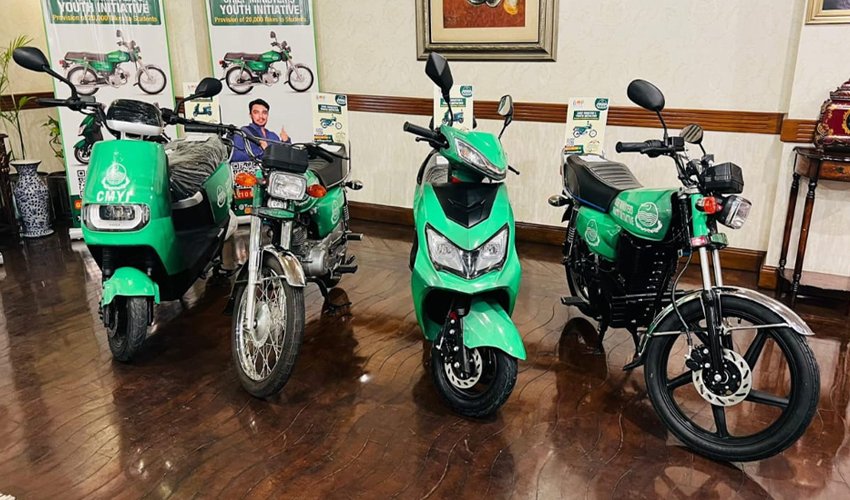

LAHORE: The Punjab government, under Chief Minister Maryam Nawaz, has expanded its electric bike initiative, increasing the allocation from 20,000 to 27,200 bikes, with a strong emphasis on supporting female students.
Key Features of the Initiative
- Increased Allocation: Originally approved for 20,000 bikes in March, the scheme now includes 27,200 bikes, both electric and petrol-powered, to meet the growing demand.
- Focus on Female Students: All female students who applied are eligible to receive an electric bike, underscoring the government’s commitment to gender inclusion.
- Support for Orphans: Orphan students will receive bikes completely free of charge.
- Loans for Accessibility: The Bank of Punjab has sanctioned loans for 20,000 male and female students, easing the financial burden.
Progress and Future Plans
- Distribution Status: Over 7,000 bikes (5,000 petrol and 2,000 electric) have already been distributed, with 6,500 more electric bikes scheduled for release soon.
- Insurance and Service: Each bike includes a two-year insurance and service package, ensuring reliability and peace of mind for recipients.
- Waiting List Prioritization: More than 15,000 students remain on the waiting list and will be prioritized in future distributions.
Environmental and Practical Adjustments
The initiative originally focused on electric bikes to promote sustainability and reduce pollution. However, challenges like battery theft and limited mileage prompted the inclusion of petrol-powered models to address the diverse needs of students across the province.
Financial Relief for Students
- Reduced Down Payment: The initial payment has been lowered to Rs. 25,000, with monthly installments set at less than Rs. 5,000, making the scheme more affordable.
- Academic Incentives: A new program is being planned to reward students who achieve exceptional academic results, further encouraging educational excellence.
Broader Impact
Maryam Nawaz highlighted the environmental benefits and economic accessibility of the program, emphasizing its role in empowering students, particularly women, and contributing to Punjab’s transition to sustainable transport solutions. The initiative has garnered widespread attention as a model for youth-focused development in the region.
