


The intense heatwave that swept across the Mediterranean in July, with temperatures soaring above 40°C (104°F), would have been “virtually impossible” without global warming, according to a report released by climate scientists on Wednesday.
The extreme temperatures, which led to over 20 deaths in Morocco in a single day, sparked wildfires in Greece and the Balkans, and caused significant discomfort for athletes at the Summer Olympic Games in France, are a stark illustration of the impacts of climate change. The report by World Weather Attribution (WWA), a network of scientists renowned for their methods in assessing the influence of climate change on specific weather events, highlighted that these temperatures would have been nearly impossible in a pre-industrial world.
The analysis, which focused on the average July temperature across southern Europe and North Africa—including Morocco, Portugal, Spain, France, Italy, and Greece—found that climate change had increased the region’s temperatures by up to 3.3°C. This rise is attributed to human activities, particularly the burning of fossil fuels, which has significantly warmed the planet.
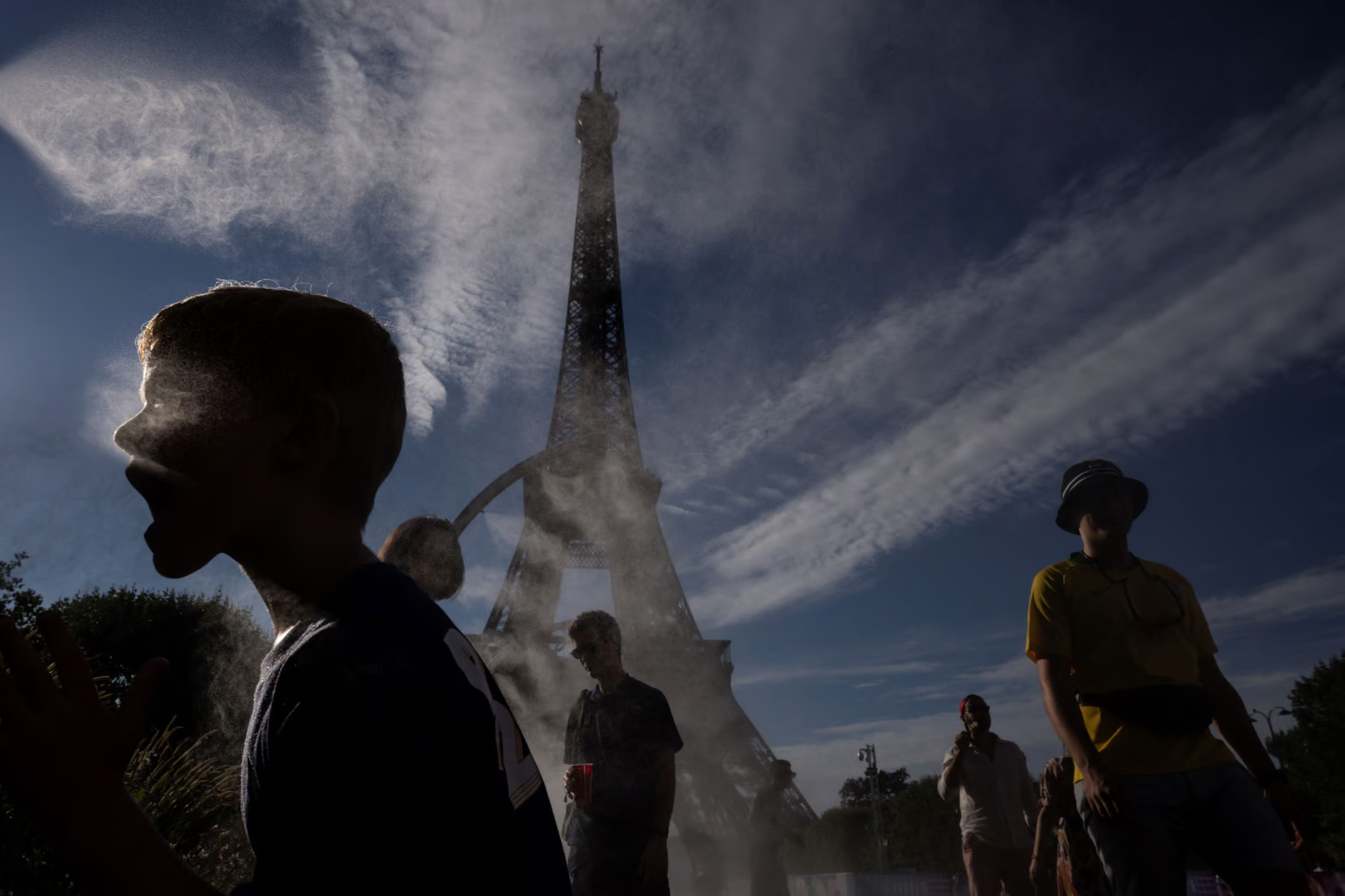
The intense heat also affected Paris this week, where Olympic athletes faced mid-30s temperatures. Friederike Otto, a climate scientist at Imperial College London and a co-author of the report, emphasized that extreme July temperatures are becoming more common, with such events now expected about once a decade.
This heatwave occurred in a month when global temperatures reached unprecedented levels, with July marking the hottest period ever recorded. The past 13 months have been the warmest on record, surpassing the 1.5°C threshold that scientists warn must be maintained to prevent catastrophic climate impacts. The findings underscore the growing frequency and severity of extreme weather events linked to ongoing climate change.
