


Restrict NOCs
The Pakistan Cricket Board (PCB) has decided to restrict the issuance of No Objection Certificates (NOCs) for national cricketers who participate in all three formats of the game.
This decision aims to protect these players from injuries and fatigue, ensuring their long-term well-being and performance on the international stage.
This new policy was formulated during a meeting that included PCB Chairman Mohsin Naqvi, head coaches, and members of the International Department.
The primary goal is to prevent all-format players from participating in various international leagues this year, a move driven by Pakistan’s packed cricket schedule that extends until May next year.
The PCB is emphasizing player health and workload management as a priority, intending to minimize the risk of injuries and ensure optimal performance.
The decision comes against the backdrop of a demanding cricket calendar for the Pakistani national team, which includes nine Tests, 14 One-Day Internationals (ODIs), and nine Twenty20 (T20) matches from the upcoming series against Bangladesh up to the 2025 Champions Trophy.
Given this intense schedule, the PCB is taking proactive measures to manage player fatigue and prevent injuries, which can be detrimental to both the players’ careers and the team’s performance.
As a result of this policy, notable players have already been affected. For instance, fast bowler Naseem Shah was denied an NOC to participate in The Hundred, a prominent cricket league.
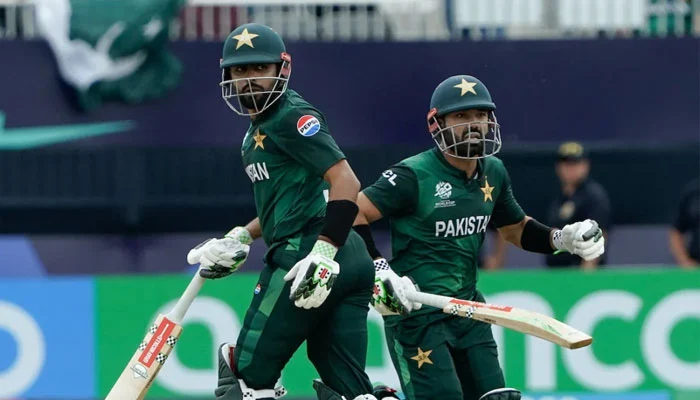
Furthermore, the PCB has also scrutinized the participation of star players Babar Azam, Shaheen Afridi, and Mohammad Rizwan, who have contracts for the Global T20 league in Canada.
The PCB has indicated that NOCs for these players will only be considered after receiving approval from the International Cricket Council (ICC).
The Global T20 league is scheduled to take place in Canada from July 25th to August 11th. The PCB’s new policy stipulates that players are permitted to participate in only two foreign leagues alongside the Pakistan Super League (PSL).
This restriction aims to balance the players’ participation in international leagues with their commitments to national duties, thereby reducing the risk of overexertion and injuries.
This move by the PCB reflects a broader trend in cricket governance, where player workload management has become a significant concern due to the increasingly packed international schedules.
By limiting the NOCs, the PCB is taking a strategic step to safeguard its players’ health, ensure their availability for critical international fixtures, and maintain a high standard of performance across all formats of the game.
In summary, the PCB’s decision to limit NOCs for all-format players is a well-considered strategy aimed at protecting players from fatigue and injuries. This policy highlights the board’s commitment to player welfare and the overall success of Pakistan cricket.
