

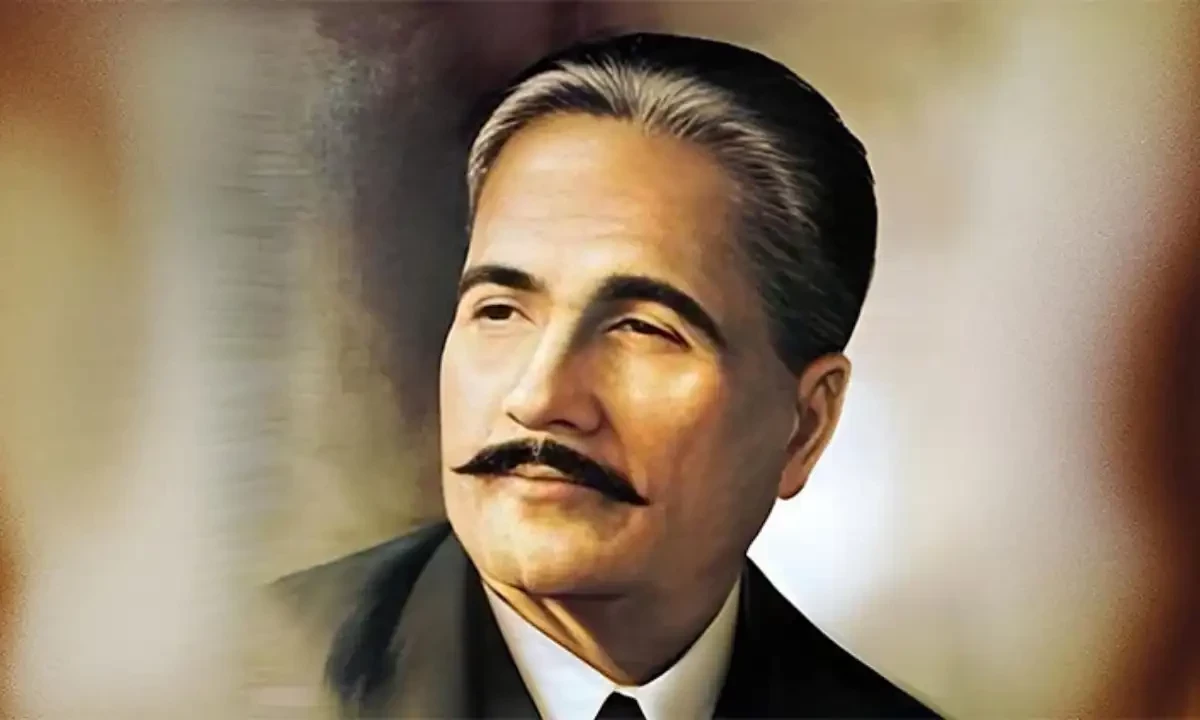

Allama Muhammad Iqbal, the visionary poet, politician, and Islamic philosopher, played a pivotal role in inspiring Muslims under British rule to realize their potential. His teachings remain relevant today, especially for the youth of Pakistan and beyond. On the occasion of Iqbal’s 145th birthday, here are five lessons from his literature that can transform young lives.
1. Importance of Character
Iqbal emphasized that true success comes from building a strong character. He encouraged youth to invest in education, travel, and exposure to diverse cultures to refine their personalities.
In his 1930 Allahabad Address, Iqbal reminded Muslims to focus on collective growth and moral development rather than pursuing materialistic goals at the expense of character.
A strong character, Iqbal believed, forms the foundation of personal success and societal progress.
2. Dreaming the Impossible
Iqbal often used the metaphor of the Shaheen (falcon) to inspire youth to think beyond limitations.
-
Shaheen: Represents courage, vision, and the pursuit of lofty goals.
-
Crow: Symbolizes fear, self-interest, and attachment to comfort.
Iqbal urged the youth to strive for freedom, knowledge, and greatness, breaking societal chains that hold them back. Dreaming big, he insisted, is the first step toward achieving the extraordinary.
3. Not Fearing Anything
Fear, especially fear of death or adversity, should not deter a true believer.
Iqbal’s verses encourage youth to face challenges boldly, whether confronting injustice, tyranny, or personal setbacks. Fearlessness, he argued, is essential for leadership and self-actualization.
4. Learning from History
History is a powerful teacher, Iqbal stressed. By analyzing past mistakes and successes, youth can make wiser choices for their future.
Reflecting on historical events, Iqbal advised, helps individuals and communities avoid repeating errors and guides them toward growth, innovation, and self-determination.
5. Unity and Collective Responsibility
Iqbal’s vision extended beyond personal development; he emphasized unity among Muslims and collective progress. By working together with shared values and purpose, societies can overcome oppression and achieve lasting success.
Key Takeaways
-
Build a strong character before chasing material success
-
Dream beyond limits like the Shaheen
-
Face challenges without fear
-
Learn from historical experiences
-
Embrace unity and collective growth
Allama Iqbal’s teachings are not just poetry—they are guiding principles for modern youth. By internalizing these lessons, young people can develop courage, vision, and moral integrity to shape a brighter future.
