
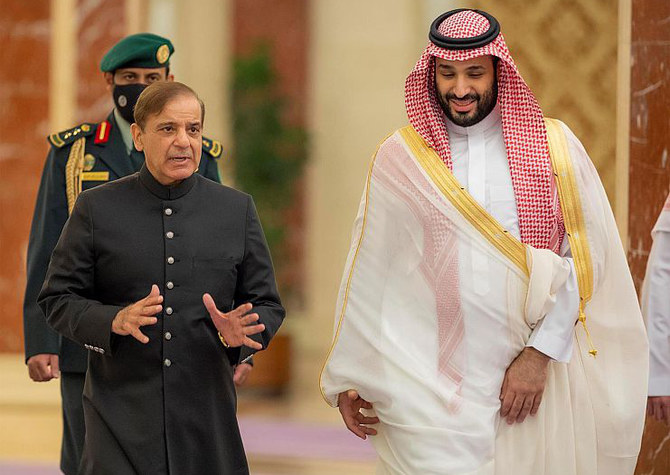

Pakistan is set to receive a major financial lifeline worth $5 billion from Saudi Arabia and Qatar. The support comes at a critical time for the country’s economy. It aims to ease pressure on foreign reserves and strengthen external stability.
The development coincides with Finance Minister Muhammad Aurangzeb departing for high-level economic meetings in Washington, D.C.. He will attend the IMF-World Bank Spring Meetings 2026 and engage with global financial leaders.
Officials say the financial inflow will help Pakistan manage immediate repayment obligations. The country is due to return $3.5 billion to the United Arab Emirates this month. This repayment has raised concerns about dwindling reserves.
Gulf Support Eases Economic Pressure
The expected funding from Riyadh and Doha will act as a buffer. It will help Pakistan maintain stability in its external accounts. Officials believe this support will allow Islamabad to meet its financial commitments on time.
Saudi Arabia has long been a key economic partner. It has already rolled over billions in deposits to support Pakistan. Qatar is now stepping in as a stronger financial backer.
Discussions are ongoing to expand existing financial arrangements. These include extending oil financing facilities and increasing cash deposits. No formal agreement has been signed yet, but talks are progressing.
The support comes as Pakistan recalibrates its financial strategy. Policymakers are focusing on stability and sustained growth. External backing remains essential in this phase.
Economic Diplomacy Gains Momentum
Aurangzeb’s visit to Washington is seen as highly significant. He is expected to hold more than 50 meetings with global stakeholders. These include officials from the International Monetary Fund and the World Bank.
His agenda includes policy dialogues, investment forums, and bilateral discussions. He will also engage with major financial institutions and investors. These interactions aim to boost confidence in Pakistan’s economy.
Before arriving in Washington, Aurangzeb will visit Boston. He will attend an academic conference at Harvard University. There, he will present Pakistan’s economic outlook and reform plans.
Officials believe Pakistan’s recent diplomatic role has strengthened its global image. Its efforts in easing regional tensions are being noticed. This could translate into greater financial support.
“Peace Dividends” and Strategic Leverage
Government officials are now aiming for what they call “peace dividends.” Pakistan’s role in facilitating dialogue in the region is seen as a key asset. It has helped reduce tensions and protect vital trade routes.
The Strait of Hormuz remains central to global energy supplies. Stability in this region is crucial for international markets. Pakistan’s involvement has added to its diplomatic credibility.
Experts say this credibility may influence global lenders. It could lead to more flexible financial conditions. Greater emphasis may be placed on overall economic progress rather than strict benchmarks.
Meanwhile, ties between Pakistan and Saudi Arabia continue to deepen. Recent defence cooperation highlights a broader strategic partnership. Economic and security collaboration are moving in parallel.
As Pakistan navigates economic challenges, external support remains vital. The $5 billion package offers short-term relief. Long-term stability will depend on sustained reforms and continued global engagement.

