

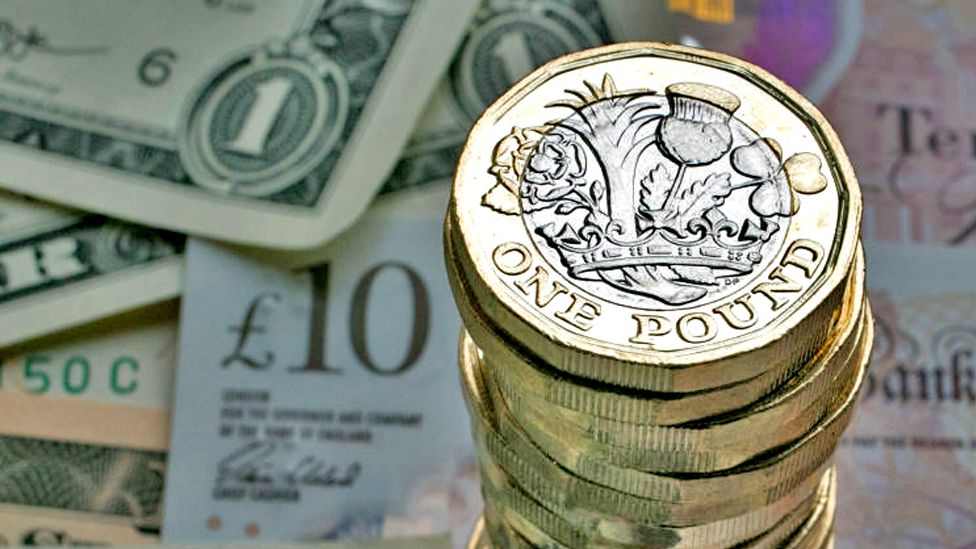

The markets’ response to the UK’s largest tax cuts in 50 years caused the pound to reach a record low against the dollar.
The pound dropped almost to $1.03 during early Asian trading before reclaiming some ground to stand at roughly $1.07 on Monday morning.
Imports of goods priced in dollars, such as oil and gas, will be more expensive due to the weak pound.
There are also worries that the Bank of England will need to increase interest rates even further if inflation remains high.
Along with a £45 billion package of tax cuts unveiled on Friday, Chancellor Kwasi Kwarteng has pledged additional tax reductions.
The ideas eliminate proposed increases in corporate taxes and reduce income tax and stamp duty on house sales.
Amid investor worries, the euro also hit a new 20-year low against the dollar in morning Asian trading.
Everyone is impacted by the value of the pound, including tourists, consumers, and company owners.
The price of importing products from outside increases if the value of the pound declines.
For instance, a weak pound can increase the cost of filling up your automobile with gas because oil is priced in dollars. Dollars are also used to price gas.
Technology products made abroad, like iPhones, may cost more in UK stores. Even items created in the UK using components imported from outside can become significantly more expensive.
Given the enormous scale of the US economy, the pound is frequently compared to the US dollar.
