

Pakistan has strengthened its academic presence globally, with 35 universities making their mark in the QS World University Rankings by Subject 2026. This achievement reflects the growing research capabilities and academic contributions of the country’s higher education institutions.
Public Universities Lead the Way
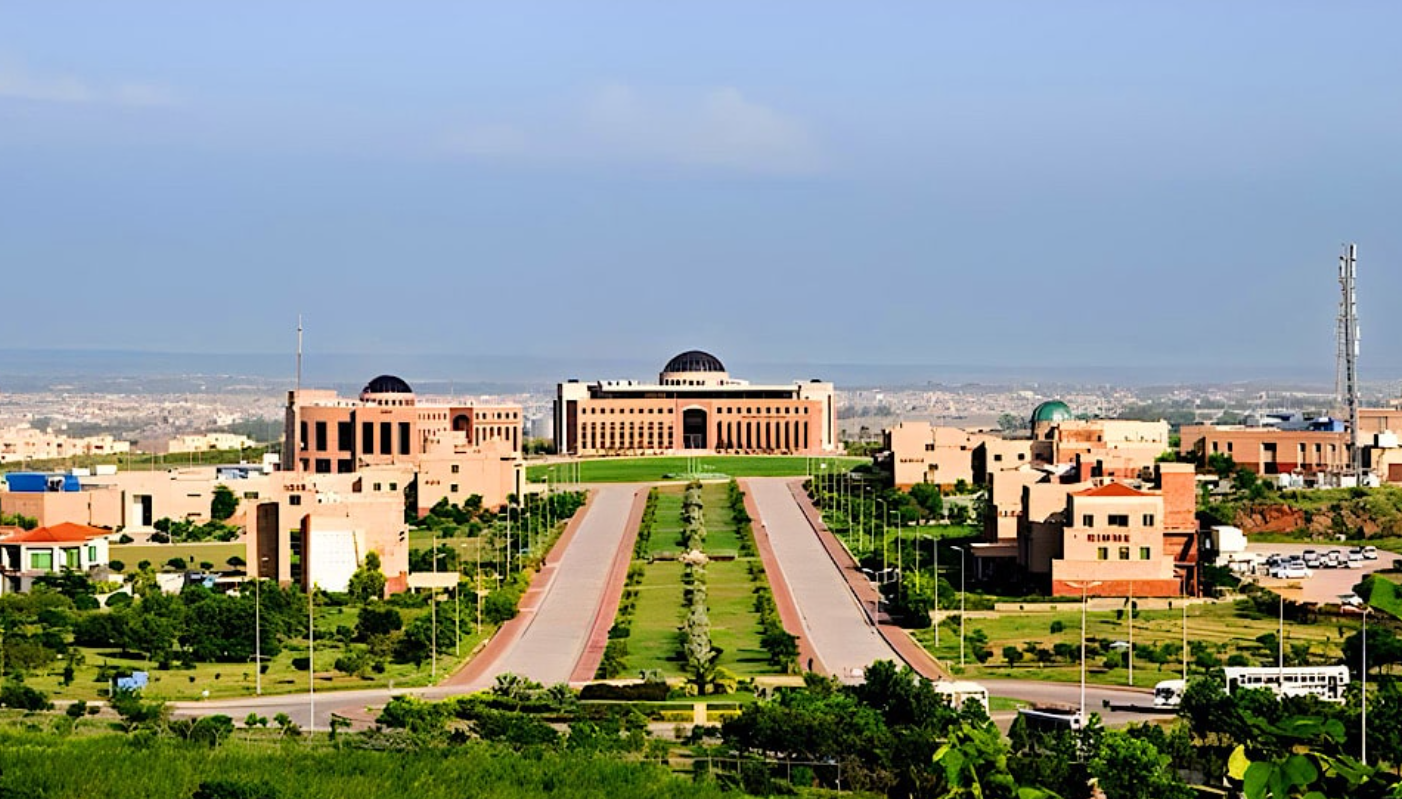
Out of the 35 ranked universities, 31 are public-sector institutions, highlighting their central role in research and education. The National University of Sciences and Technology (NUST) emerged as a top performer, ranking in the 201–250 band for engineering and technology. Additionally, NUST secured a place between 201 and 300 for computer science, further emphasizing its global competitiveness.
Quaid-i-Azam University also stood out, appearing in the 201–250 band for natural sciences. It earned rankings between 250 and 400 in specialized subjects such as physics and environmental sciences. Other notable public universities included the University of the Punjab and the University of Engineering and Technology Lahore, which secured positions across multiple disciplines. Their rankings mainly fell within the 201–400 range, demonstrating consistent performance across academic areas.
Strong Subject-Specific Performances
Several universities excelled in specialized fields. Comsats University Islamabad, University of Agriculture Faisalabad, and University of Karachi showed particular strength in agriculture and forestry, reflecting Pakistan’s expertise in these disciplines. Additionally, institutions like Government College University Lahore, Bahauddin Zakariya University, Islamia University of Bahawalpur, University of Peshawar, University of Sindh, University of Balochistan, and University of Veterinary and Animal Sciences Lahore achieved rankings mostly within the 301–500 bands, indicating steady global competitiveness.
Private Universities Make Their Mark
Among private institutions, Lahore University of Management Sciences (LUMS) stood out with a strong showing in business and management studies, securing a position within the 101–150 band. The Institute of Business Administration Karachi followed closely, ranking between 151 and 250 in the same category. Aga Khan University maintained its strong standing in medicine, appearing in the 201–250 bracket, while Habib University gained recognition in selected disciplines.
Overall Impact
In total, Pakistani universities recorded around 180 subject entries in the QS rankings. Most institutions placed between 201 and 400 bands, reflecting moderate global competitiveness. These results highlight Pakistan’s expanding footprint in higher education, with public and private institutions contributing to research, innovation, and specialized academic excellence.
The QS Subject Rankings 2026 underscore the importance of continuous development in higher education and research infrastructure. They also demonstrate that Pakistani universities are increasingly capable of competing on a global scale across a wide range of subjects.

