

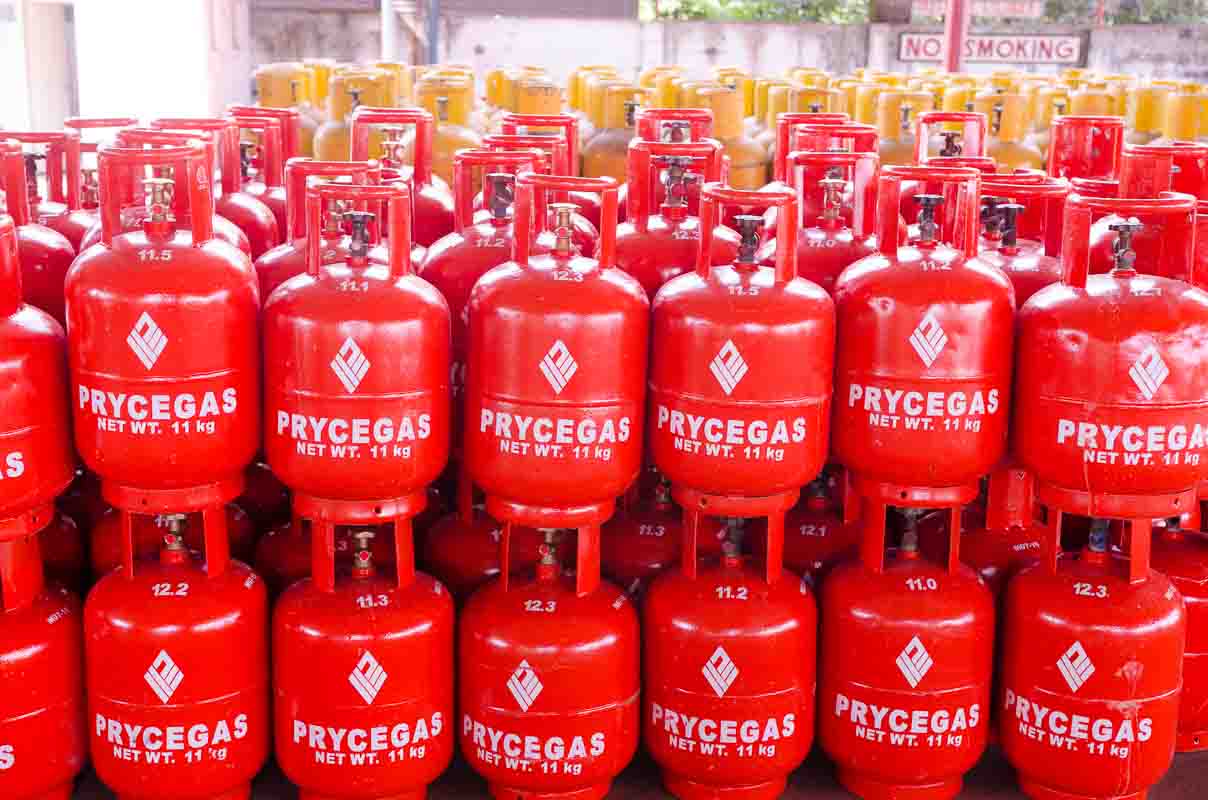

ISLAMABAD: Domestic consumers are expected to face gas loadshedding in this winter season till March 2022 as the government was planning to reduce gas supply for domestic users.
The government, however, wants to continue gas supply to the power and fertiliser sectors, while industrial consumers will also experience shortages as the country is set to face gas shortfall in this winter season.
This planning was discussed in the recent meeting of the Cabinet Committee on Energy (CCoE), held on Thursday (Nov 11). Planning and Development Minister Asad Umar chaired the meeting.
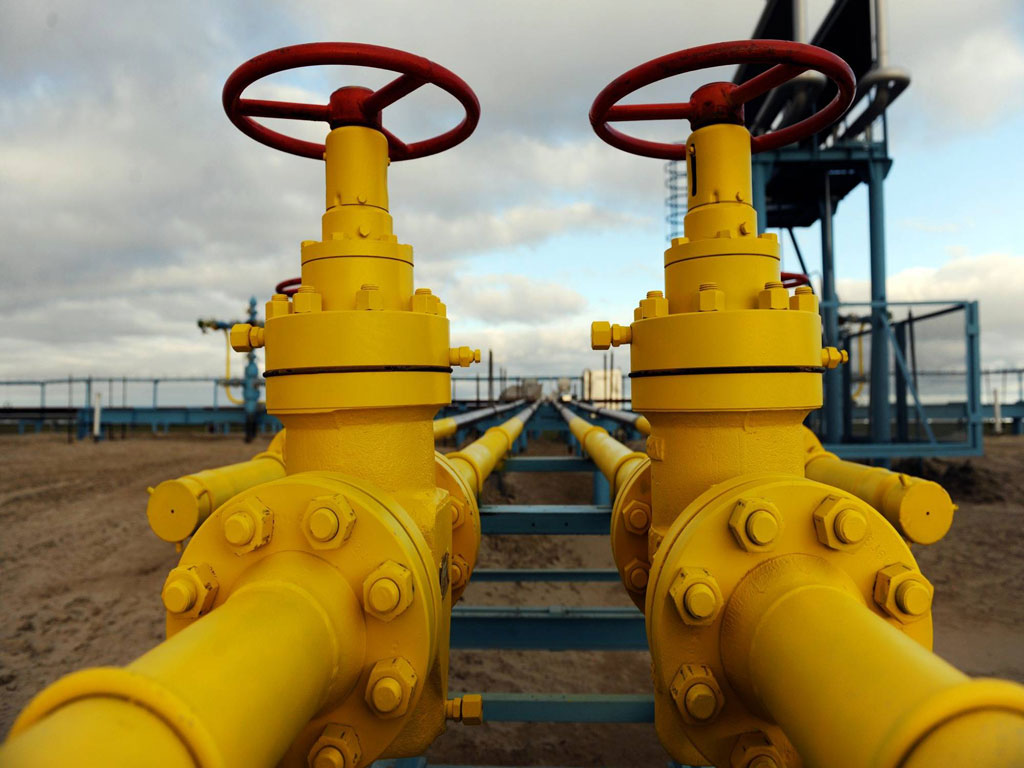
The power plants on SNGPL supply will be provided RLNG during 2021-22 with additional supply. The deficit of the power sector will be recouped through furnace oil. Any gas saved from captive power plants will be diverted towards export-oriented industries.
The total availability of gas from domestic resources stands at 3,300 mmcfd, while with the import of RLNG, there is another 1,000 mmcfd gas coming into the system, the publication reported, citing official sources. There is a maximum gas supply available in the range of 4,300 mmcfd against the average demand of 6,500 to 7,000 mmcfd. In the severe winter season, this demand goes up to 8,000 mmcfd.
Causes of gas crisis expected again this year?
Pakistan is expected to be hit by a major gas crisis this year like every year for several reasons.
The local discoveries of gas have witnessed a dip, so the domestic gas reserves are depleting while the local gas supply stood at 4,300 mmcfd a few years back but now it has depleted and stands at 3,300 mmcfd.
The import of RLNG also faced snags and Pakistan used to add 1,200 mmcfd gas through RLNG, but now the government is going to add just 1,000 mmcfd of gas.
Why the two RLNG terminals were not established, this must be investigated to fix responsibility for gas crisis.
Official statement of CCoE
In its official statement, the cabinet committee on energy said that the Oil and Gas Regulatory Authority (OGRA) presented the status of revision in the rules regarding punitive measures and fines during the meeting.
The meeting was informed that fines will be imposed for non-compliance with the license conditions and violation of OGRA rules by the licensees.
The fines have been revised for licensees across the petroleum value chain. The maximum penalty against major violations is starting from 10 million to 500 million.
The CCoE directed OGRA to consider additional measures for illegal gains and fraudulent activities of the licensees. OGRA was directed to send the summary to the Cabinet Division within two weeks to implement the changes as soon as possible.
The OGRA also presented the report on the establishment of a monitoring system for the sale of petroleum products. The CCoE directed OGRA to implement end-to-end automation and digitisation of reporting to account for all transactions in future and have accurate data collection. The Petroleum Division and OGRA will jointly develop a strategy for the automation of data collection and digitisation of transactions across the value chain.
The Petroleum Division presented the projected natural gas supply and demand position in the country for the coming winter. During the meeting, the SNGPL also shared a month-wise scenario of supply and demand in the north of the country.
The CCoE directed the Petroleum Division to present a detailed impact analysis of different policy options for developing the Gas Load Management Plan for the winter of 2021-22 in the next meeting.
