

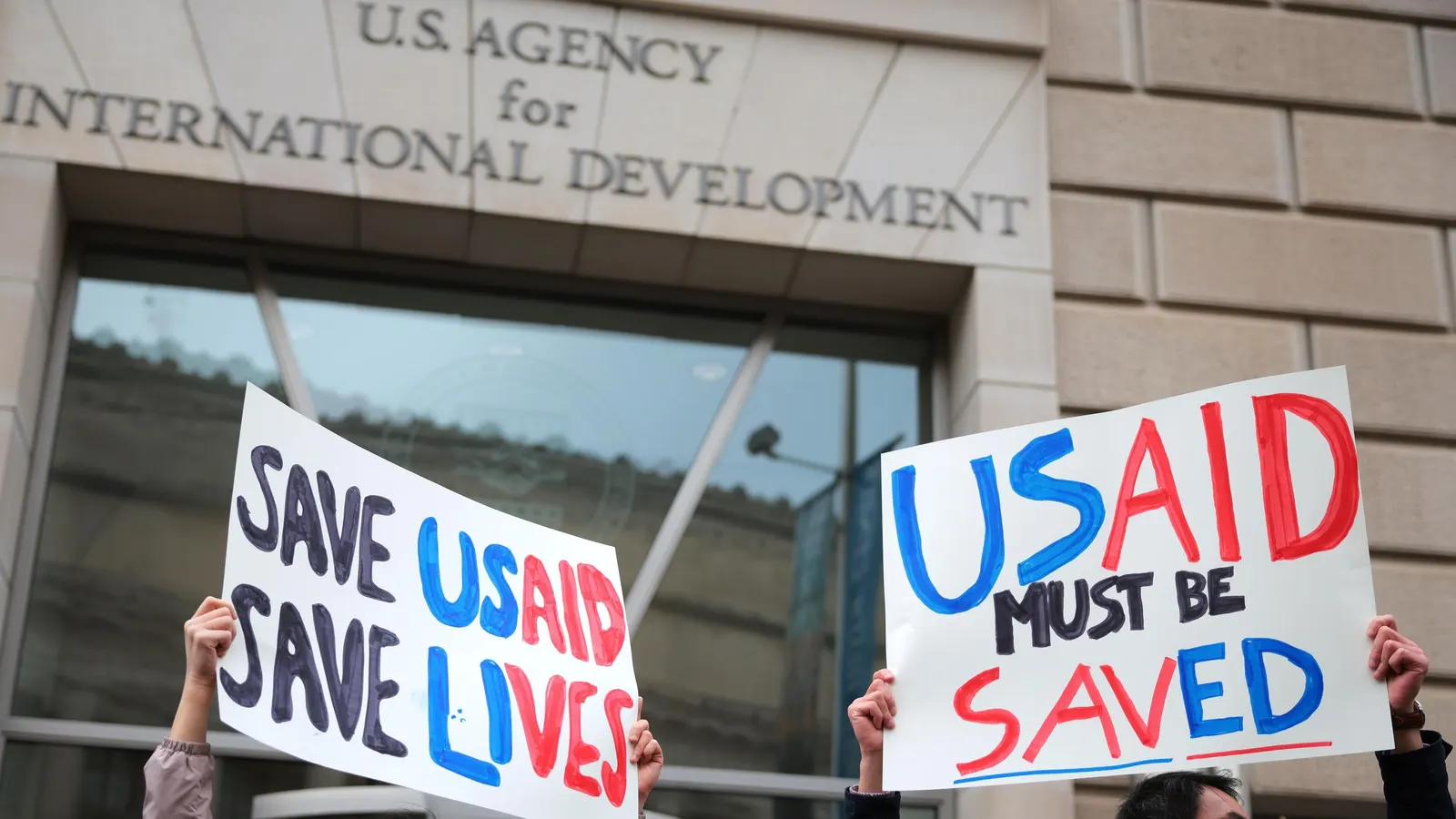

ISLAMABAD: The Trump administration announced on Sunday that it would place all personnel at the foreign assistance agency USAID, excluding leaders and critical staff, on paid administrative leave and eliminate 1,600 positions in the United States.
Elon Musk’s Department of Government Efficiency has spearheaded efforts to reduce the size of the U.S. Agency for International Development (USAID), a key tool for American foreign aid and “soft power” influence globally.
An email reviewed by Reuters, sent to one of the affected employees, stated, “I regret to inform you that you are affected by a Reduction in Force action.” Those who received the notice will be let go from federal service effective April 24.
According to USAID’s website, all direct hires, except for essential workers, will be placed on leave, and 1,600 USAID positions in the U.S. will be cut. A previous notice indicated that approximately 2,000 U.S. positions would be eliminated.
The White House did not respond to requests for comment.
On Friday, a federal judge ruled in favor of the Trump administration’s decision to put thousands of USAID workers on leave, a setback for government employee unions that had filed lawsuits accusing the administration of attempting to dismantle the agency.
Two former senior USAID officials estimated that most of the 4,600 USAID personnel, including career U.S. Civil Service and Foreign Service staff, would be placed on administrative leave.
Marcia Wong, one of the former officials, criticized the decision, saying, “This administration and Secretary of State Marco Rubio are shortsighted in cutting into the expertise and unique crisis response capacity of the U.S. When disease outbreaks occur or populations are displaced, these USAID experts are the first to be deployed to help stabilize and provide aid.”
Upon taking office on January 20, Trump ordered a 90-day pause on foreign aid, halting funding for a variety of programs, including those combating hunger, diseases, and providing shelter for displaced populations worldwide.
The administration has approved $5.3 billion in exceptions to the freeze, primarily for security and counter-narcotics programs, with limited humanitarian aid. However, USAID programs received less than $100 million in exemptions, far less than the approximately $40 billion it administered annually before the freeze.
