

About 140 US service members have been wounded during the first 10 days of the war with Iran, including eight who suffered severe injuries, the Pentagon said on Tuesday.
Chief Pentagon spokesperson Sean Parnell said the casualties occurred during sustained Iranian attacks on US military positions since the launch of Operation Epic Fury.
“Since the start of Operation Epic Fury, approximately 140 US service members have been wounded over 10 days of sustained attacks,” Parnell told reporters.
He added that the eight severely wounded troops are receiving the highest level of medical treatment. However, officials have not disclosed the types of injuries sustained by the personnel.
Reuters reported it was unable to determine whether the injuries included traumatic brain injuries, which are commonly associated with exposure to blasts.
Iran has launched multiple retaliatory strikes on US military facilities since the conflict began on February 28. These attacks involved rockets and drones targeting bases across the region.
The strikes have also hit diplomatic missions in several Arab Gulf states, while hotels, airports and oil infrastructure have sustained damage during the escalating conflict.
Iran vows to continue fighting despite pressure
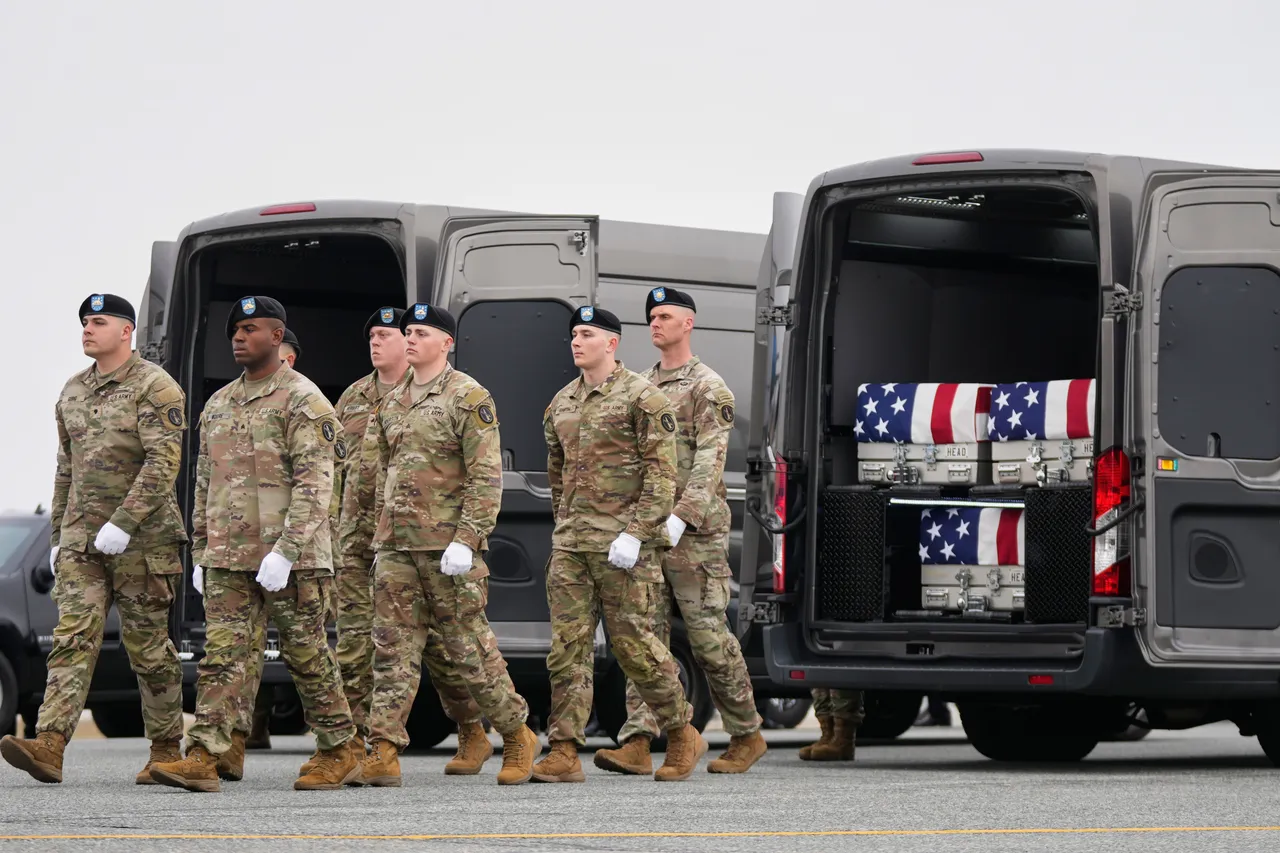
The Pentagon’s figures provide the first broader indication of the impact on US forces following waves of Iranian retaliatory attacks. Earlier reports confirmed that seven US soldiers were killed during strikes in Kuwait and Saudi Arabia.
Despite the casualties, General Dan Caine, chairman of the Joint Chiefs of Staff, said Iran had not proven stronger than US military planners expected.
“I think they’re fighting, and I respect that, but I don’t think they are more formidable than what we thought,” Caine said during a Pentagon briefing.
Meanwhile, US Defense Secretary Pete Hegseth said Tuesday could become the most intense day yet for American strikes inside Iran.
Residents in Tehran reported some of the heaviest bombardment since the war began, with powerful explosions shaking western districts and widespread electricity outages affecting parts of the capital.
Iranian leaders, however, signalled no willingness to back down. Parliament Speaker Mohammad Bagher Qalibaf rejected calls for a ceasefire, while senior official Ali Larijani warned that Iran would not yield to threats.
Separately, US President Donald Trump demanded that Iran immediately remove any mines it may have placed in the Strait of Hormuz.
He warned that failure to do so would trigger military consequences “at a level never seen before.”

